Triple T: Tung Tung on Trial
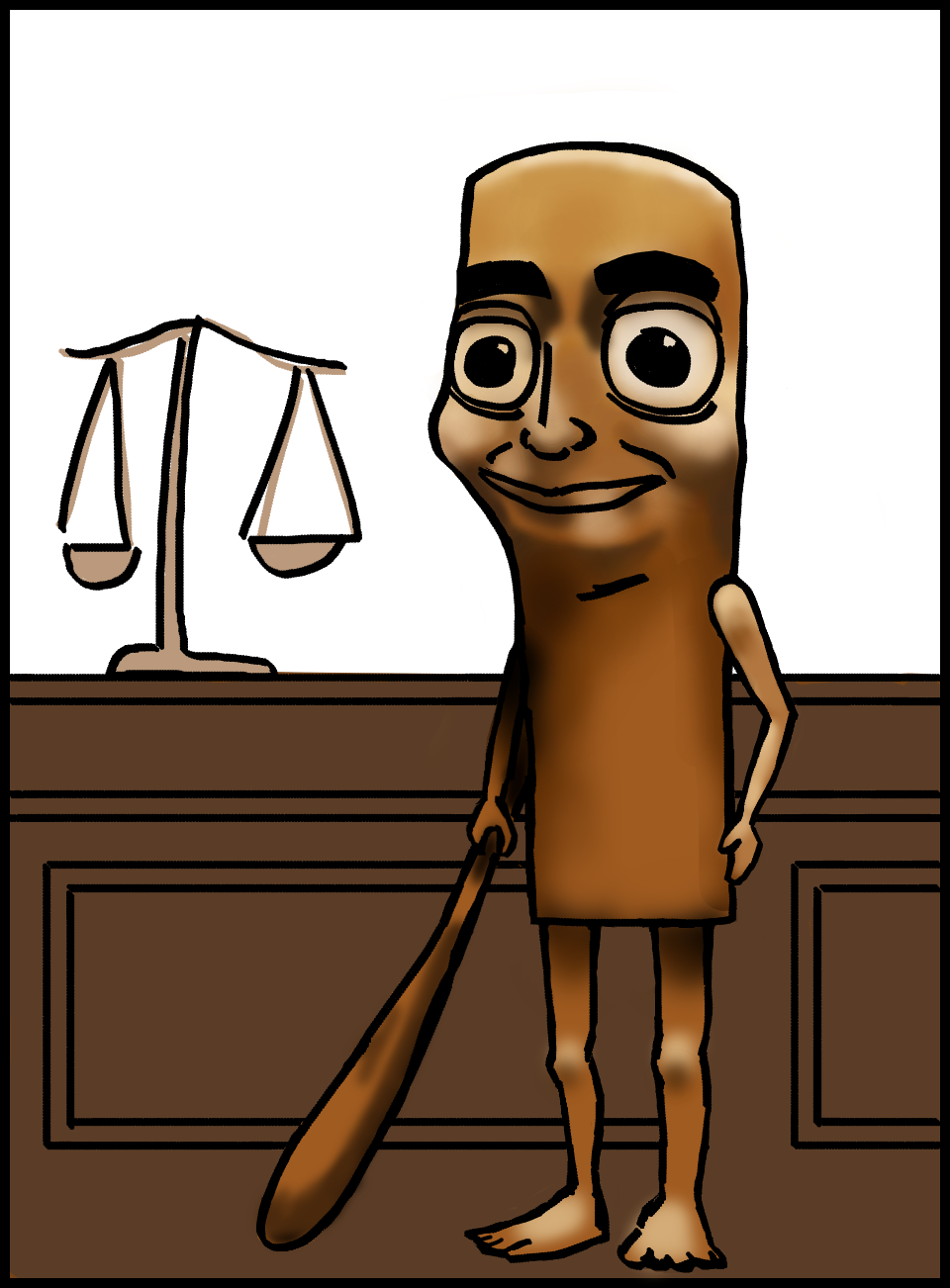
The phrase “Italian Brainrot Trial” seems like something out of South Park, but in fact, it’s something occurring right here in a local Californian courtroom.
Although technologically feasible since the early 2000s, AI-generated images only recently became mainstream around late 2022 as technology became more advanced, cheaper, and more user-friendly. Off the bat (hah, get it?), people were concerned about the ethics of AI models and the overall artistic merit of AI-generated images.
“I think art comes from a place of how we interact with other humans and how we share those interactions with other people,” said Ms. Afansev. “It’s very personal…and I think gen-AI can take away some of that.”
A series of AI-generated creations, featuring Dall-E generated figures with vaguely Italian-sounding names, and posted by Fernanda Indrastata on TikTok in early 2025 quickly grew to fame among kids.
“Last year I taught…preschool through 6th grade, and they were obsessed with all things Italian brainrot.” said Ms. Afansev.
However, the waters began to get rocky for Indrastata on May 15, 2025, when Do Big Studios released the game Steal a Brainrot on Roblox. Featuring the same beloved characters, the game became an instant hit and eventually became the only Roblox game to surpass 25 million concurrent users (IGN). Through various monetization mechanics, Steal a Brainrot reeled in significant amounts of revenue for Do Big Studios.
It was this popularity and prosperity that pushed Mementum Lab – a French Company representing AI-brainrot creators – to send Do Big a cease-and-desist order, asking them to enter licensing negotiations for one of the most popular characters: “Tung Tung Sahor” (Spyder Games LLC v Mementum Lab).
However, rather than pay the fee, around November 2025, Do Big decided to take Mementum Lab to court instead, claiming that because Tung Tung Sahor is an AI-generated entity, Mementum’s claim rights do not exist. Mementum, in turn, used the case to also bring into contention the copyright status of other AI-brainrots such as “Ballerina Cappucina” and “U Din Din Din Din Dun Ma Din Din Din Dun.”
The court case is still ongoing, and there is no definitive ruling yet. Previous U.S. cases regarding AI-generated pieces yielded fairly vague and open-ended wording in their final verdicts; in other words, there still needs to be case-by-case analyses about AI-generated images and copyright.
“AI has been a relatively new…addition to our society, and so we’ve had to make a lot of…sweeping changes to accommodate it already,” said Ronald Wang (11).
Both sides have presented their main argument in the courtroom. The co-founder of Mementum, Eben Jeda, claims that there’s “a lot more to [Sahor] that meets the eye” (Jeda). Contrary to popular belief, Sahur isn’t a bat, but instead a type of drum called a kentongan. Its name is a combination of the sound the drum makes and its purpose of waking people up for the Ramadan prayer sahur. Mementum claims that even if little effort was put into creating the character, Sahur’s origin story still indicates that it was created with significant human influence and thus has the ability to be copyrighted.
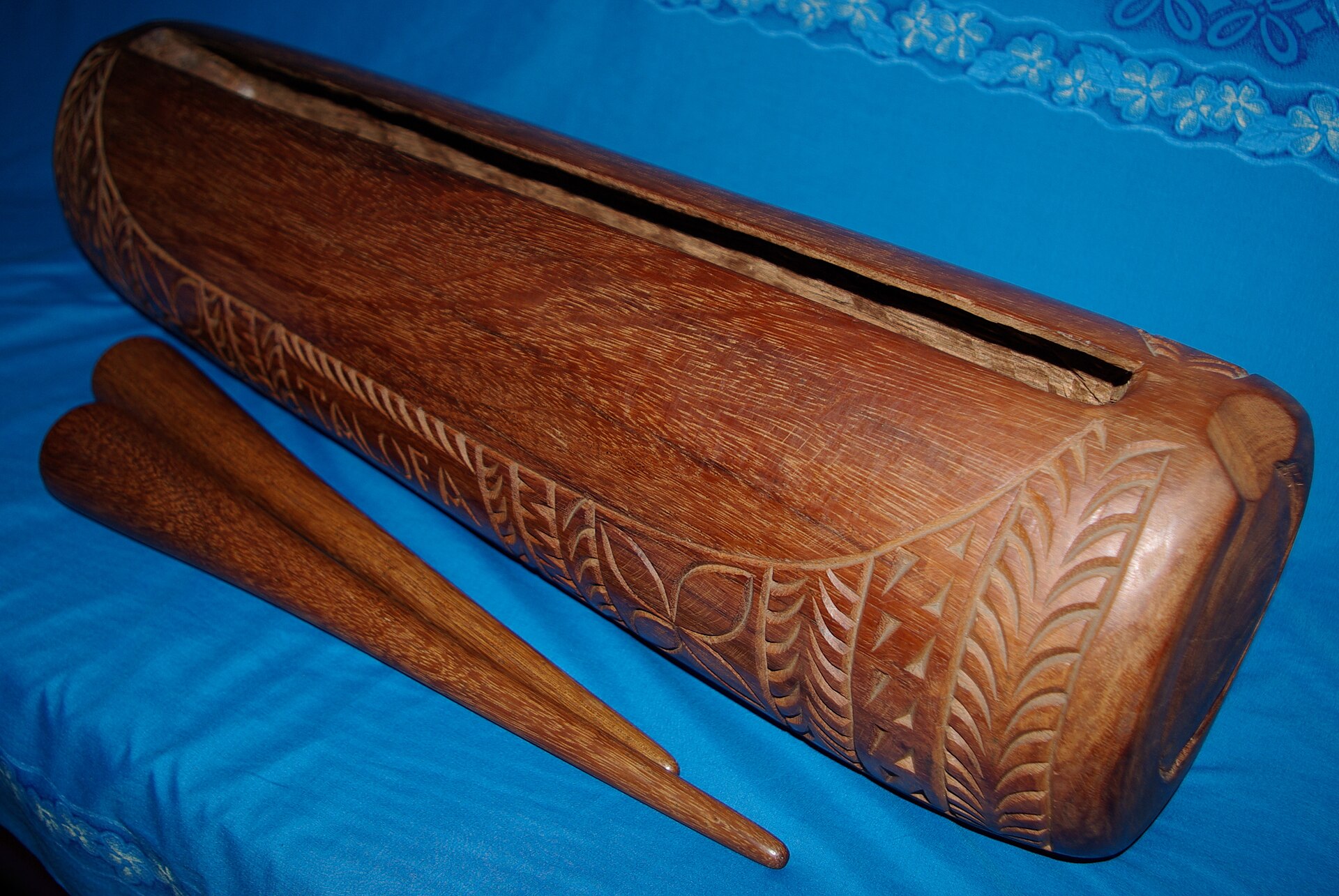
On the other side, Plaintiff SpyderGames LLC (the legal entity representing Do Big Studios) claims that “the brainrots at issue are not subject to copyright protection because they were generated by AI and…fail to meet the threshold for copyright protection” (SpyderGames LLC v Mementum Lab). Their arguments reference several other cases related to copyright human exclusivity, including Thaler v Perlmutter and Naruto v Slater. SpyderGames’ argument is that not only is AI-generated work unable to be copyrighted, but even if it was, Mementum Lab still didn’t cross the threshold for the images to qualify as “human.”
“AI pulls from a lot of different sources, and it tends to steal from artists…I don’t think we should copyright it, since you’d have to list 1000s of artists' names.” said Shubh Bachkethi (11).
Mementum Lab has recently countersued for trademark on April 26, 2026, adding even more nuance to the case. As the legal battle unfurls and more and more questions pop up, it’s possible that even this relatively comical-case regarding an AI-generated drum will set a precedent for how AI-generated images are approached in the future.