Transitions: The Journey From Middle to High School

High school at BIF has a scary connotation, with first thoughts full of stress, homework, and assignments. Students have numerous extracurriculars and tend to sleep somewhere around 1 AM, dreaming about their GPA. During the day, their schedules are packed, and the to-do list never ends.
Many people say that the transition is something drastic, or a crazy jump, and afterwards there’s no time to doodle in class or zone out the teacher or doomscroll for hours at night. There’s always something to do, somewhere to be.
However, the experience so far is not so extreme as it may seem. The rumors about the transition itself are greatly exaggerated, and although there is no doubt about high school being difficult, the immediate difference from middle school is not that obvious.
A primary contributor to this difference being so minor is the environment. For many, high school involves a shift in campus with completely different people, which can be intimidating. By contrast, here at BIFU the people, place, and customs are the same.
“[We have] very similar classmates,” said Elizabeth Cao (9).
There may be a few new teachers, a few different policies, but the overall atmosphere is still familiar.
Most classes are still relatively similar when it comes to the central ideas being discussed. For instance, the syllabus for eighth grade U.S. History describes how “students will analyze a diverse array of primary and secondary source materials, evaluate causes and effects, analyze the extent of change and continuity over time to ultimately craft historically defensible claims about the past.”
Similarly, the ninth grade AP U.S. Government and Politics syllabus says that the class helps “students cultivate their understanding of U.S. government and politics through analysis of data and text-based sources as they explore topics like constitutionalism, liberty and order,” among others.
Evidently, both classes are focused on analysis of historical events, and there is no drastic contrast in the course material.
Naturally, however, the transition isn’t seamless; there are still struggles along the way, just like any other kind of transition.
“It's just a lot more stress and our college and future actually depend on these grades now. So there's a lot more pressure,” said Sarah Yang (9).
The assumptions about declines in mental health and rising levels of anxiety don’t come from nowhere. The modern world is increasingly competitive, and on some days the pressure to succeed may feel overwhelming. However, it’s not an every-single-day, but more of a once-every-few-months kind of worry that builds up over time. This is something that has most probably already been experienced in middle school and is not something entirely new.
In response to the worry that people need to stay up until midnight to finish homework, there is still a bit more of a workload, but the amount of homework per class still depends mostly on the teacher. If someone does have that much work to be done, it’s usually either the result of severe procrastination or having various additional extracurricular tasks.
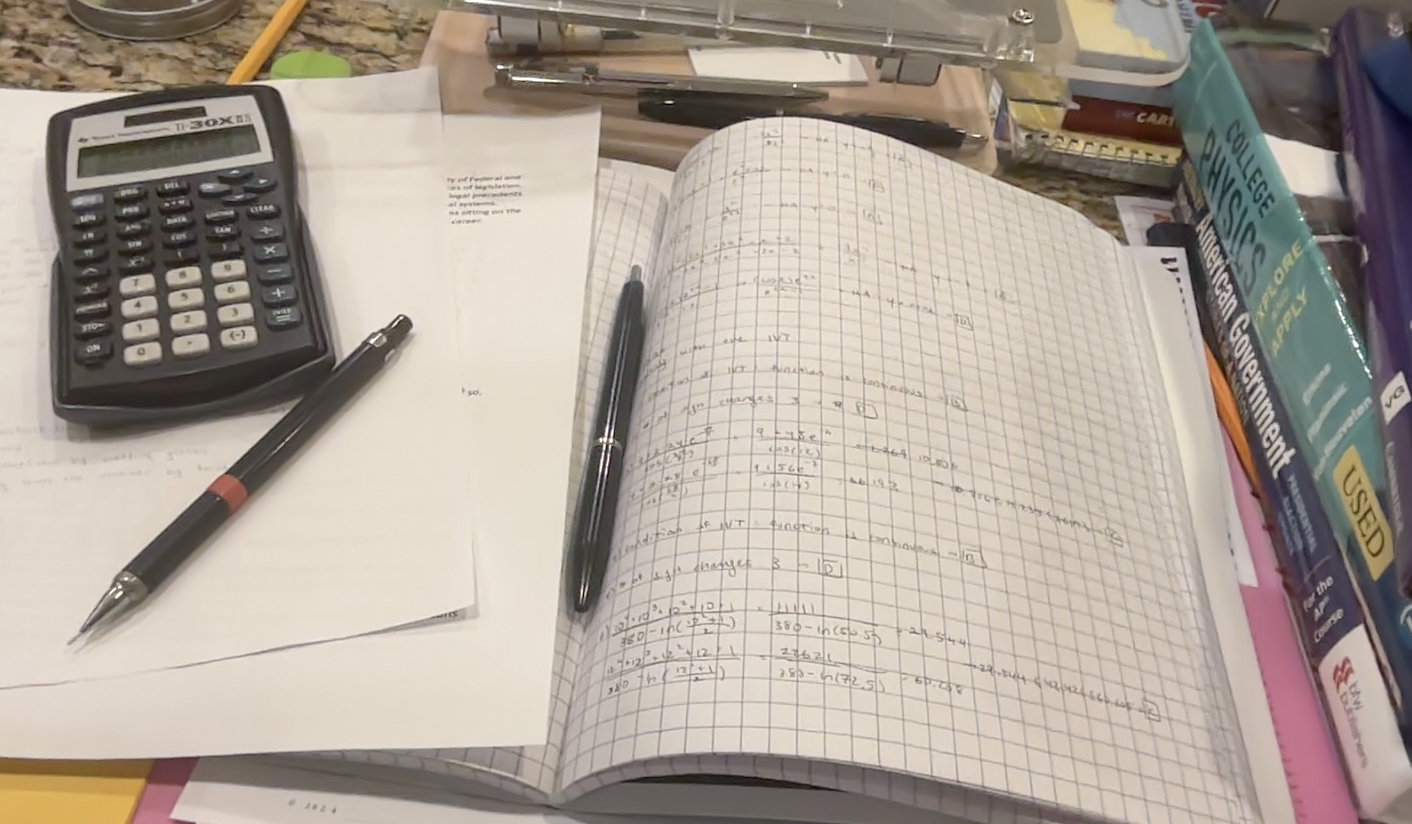
Still, both Cao and Yang commented on the increase in intensity at school, which may indicate that the effects of the transition depend on the person. Of course, not everyone will feel the shift in the same way, but it is still amplified.
Even though going to high school may be portrayed as a new, exciting, and scary experience, the shift is minimal and can be considerably exaggerated, when in reality it’s far less scary than expected.