THE NEWCOMER GUIDE: TIME MANAGEMENT AND HOW TO EFFECTIVELY STUDY
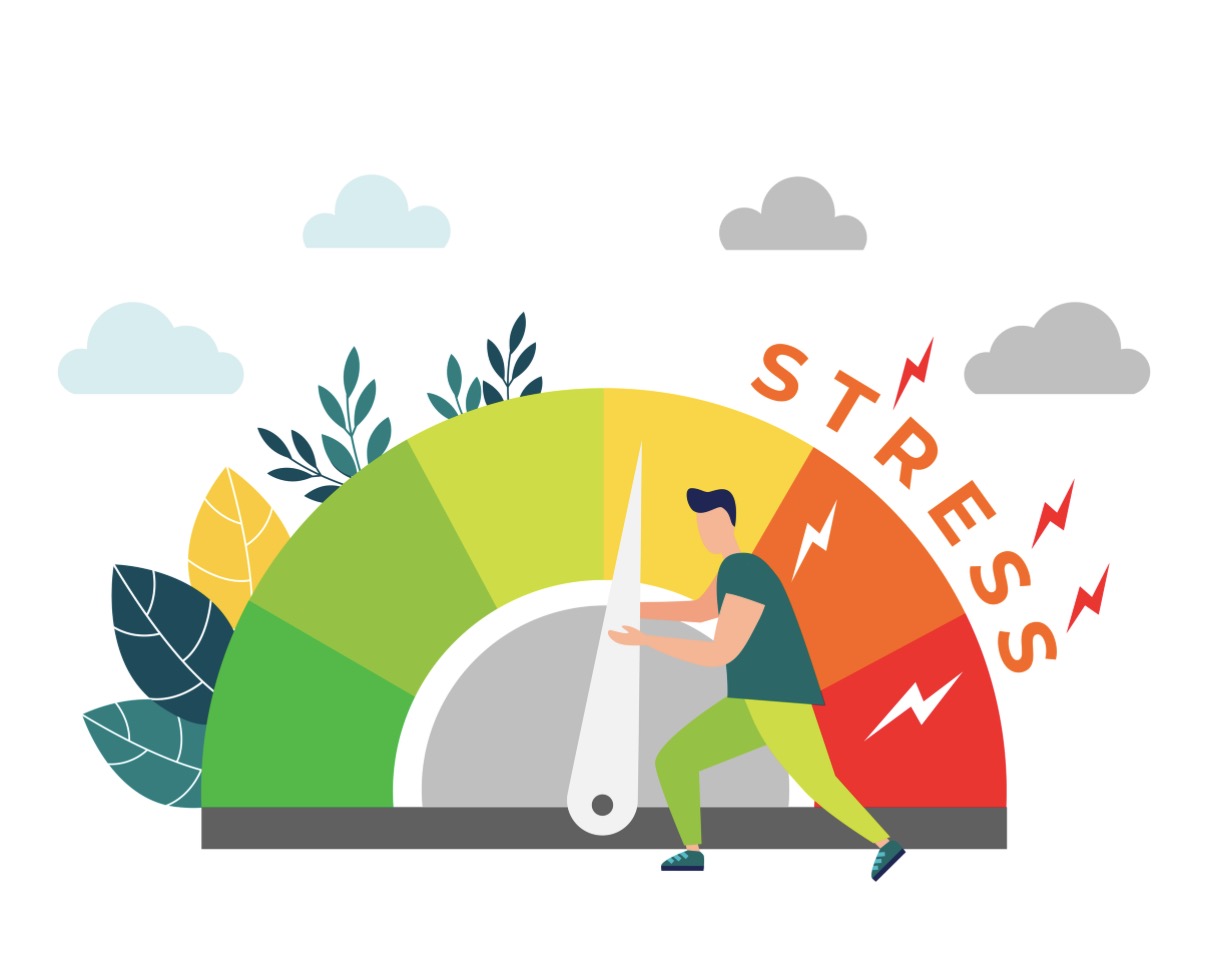
The 2026-2027 school year has officially begun. With tests and quizzes just around the corner, students have already begun to start studying until late at night. Yet, stress will likely increase with each passing trimester, let alone every week.
”It's a lot. Physics. Math…I stay up for 5 hours straight and it’s the middle of the night,” Chloe Ruan (6) said.
This section of our newspaper is for specifically 6th grade newcomers to learn how to effectively utilize study time, control screen time usage, study efficiently, and cope with stress.
First, utilize study time productively. If it’s either clubs, extracurricular classes, or any sports practices that keeps a student’s schedule packed and busy, here’s the perfect solution for cases like these. Once arriving home, take a break. Maybe go for a walk, watch some YouTube, or play some Roblox. Have it be no longer than 15-20 minutes at most, and make sure to close devices within that limit. If unable to be self-disciplined with screen time, do something that doesn’t require cellular devices. After a transition break, check the CJ or anything that tracks homework and tests. Prioritize homework with upcoming due dates rather than assignments due later on.
Next, a non-distracted environment. Whether it’s Lofi music, white noise, or pure silence in the background, choosing a comfortable environment to study in is extremely useful in any type of situation. Students with siblings can try to lock the door or put on noise-cancelling headphones to block any distractions.
Regarding distractions, many people can't sit still for long periods of time. To counter this, study for 30-45 minutes, take a five to ten minute break, and study for another 30-45 minutes. The method of switching subjects every so often is essentially called the Pomodoro method. After each five minute break, switch to a different subject. Another method is the 1357 study tactic. For example, after learning content from English class on September 10th, mark on a calendar to do a brief study session one day after, on September 11th. The next mark is three days after that, which is September 14th. Then, mark five days after that, and then seven days. This method is also extremely useful for long-term review on subjects that a student needs extra help on. This will help review content and be prepared for any pop quizzes.
“I prefer to answer a lot of practice questions, and use active recall, since applying knowledge is the best way to learn it.” says Ishitha Uppalapati (8).
Avoiding foods that are sugar-full and high-calorie can be helpful, because eating foods like those can decrease attention span and cause energy crashes.
Controlling screen time is also important for succeeding in school. Students who stay up late to binge watch movies on their computers are more likely to fall asleep in class the next day. Having a guardian add screen time to devices is super beneficial, especially with apps that cause severe distraction. For example, if someone is addicted to YouTube, add screen time to the YouTube app. If they have an average screen time of about two hours per day on that certain app, start with a screen time of an hour a day, then, minimize it to forty-five, and then to thirty.
Another aspect to learning how to study efficiently is knowing how to study effectively. Stated by the National Library of Medicine, “Repetition learning is neither a continuous nor an implicit process.” This shows that repeating things constantly in the head is the least effective method, though it is the most common.
“I do prefer a lot of problem sets although they take a lot of time and effort because the effects are consistent,” states Ada Xin (8).
Recommendations from students to study effectively include playing Kahoot or Blooket, reviewing Quizlets, rereading notes, retaking past quizzes, and using the Leitner method, which involves reviewing all flashcards daily in Box 1, moving correctly answered cards to higher boxes (Box 2, Box 3) for less frequent review, and sending incorrect cards back to Box 1 to be practiced again sooner.
For 6th grade newcomers who are still adjusting to middle school, schoolwork and tests will feel way more challenging, so here are a couple of points on how to cope with stress.
“...the best way to resolve stress is to have good time management. If that still doesn’t work, have someone for emotional support, or go see a counselor. Human communication is an effective way to reduce stress levels,” said Uppalapati (8).
Many resources are available on campus, including Student Affairs, Mr. Mertes, Ms. Liz, and others. NJHS will also be hosting events to help with stress and anxiety, which will definitely be coming up in Pre-comps and Comps. Studying daily can be good because it helps retrieve information and practice active recall, but when studying starts overlapping with sleep time, that starts to become a problem. Create a daily to-do list, and try to complete it all by the end of the day to avoid excessive stress.
“I think you have to find yourself a reason to keep going in this super competitive school and remember that grades don't define you as a person.” says Xin (8).