Smart Glasses: Convenience at the Cost of Privacy?
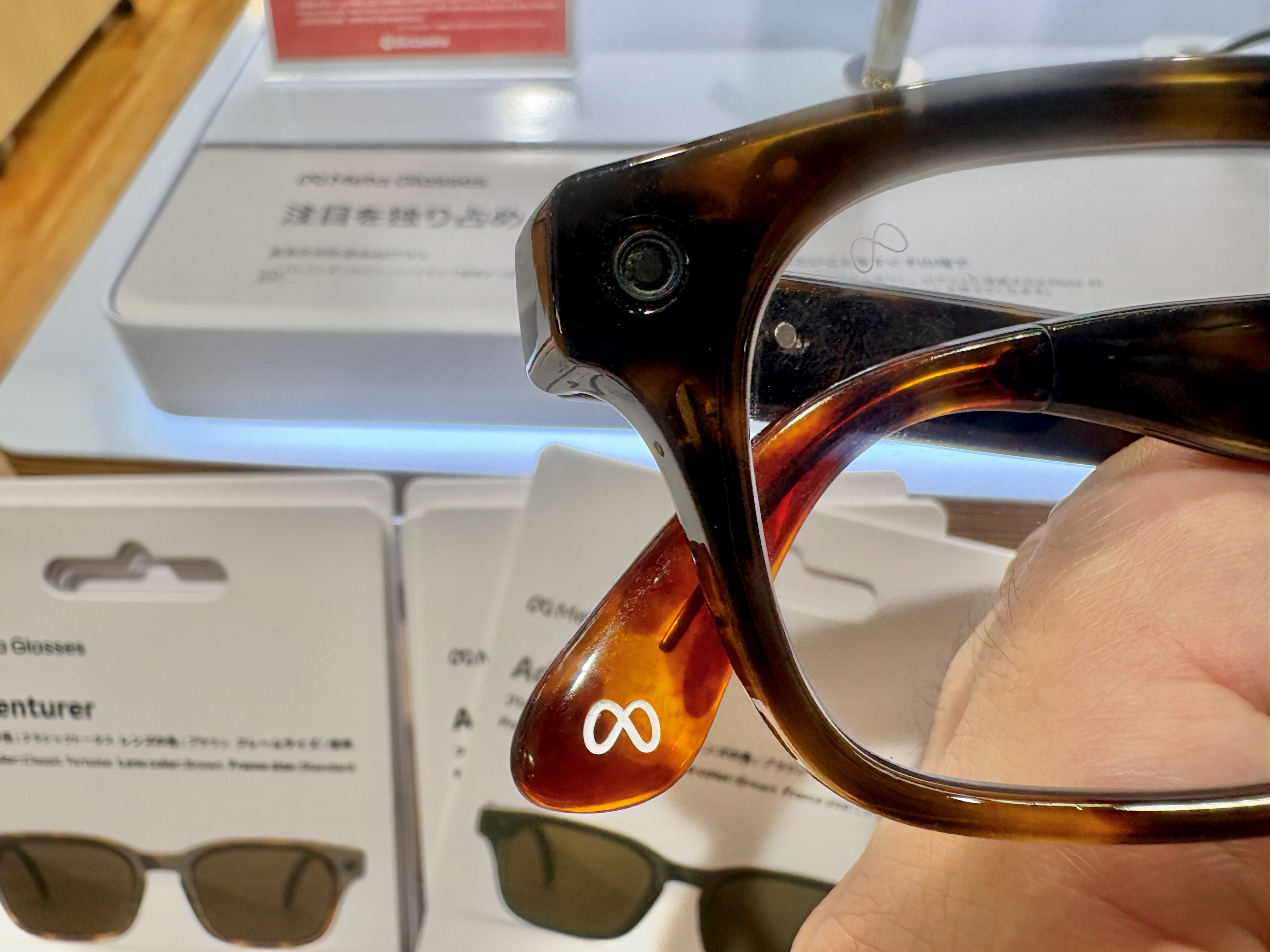
Companies such as Meta, Google, and Samsung are all working on glasses that can record videos, access the internet, provide live in-ear translation, and give directions. As smart glasses are becoming more advanced and are starting to be used by more people, concerns about privacy and how they are being used have begun to grow.
In a survey of 21 BIFU students, 66.67% said that they would be interested in using smart glasses in their daily life. However, many students also had concerns, with 18 of those respondents saying they were worried about being recorded without their consent. When asked what concerned them the most about smart glasses, 13 students selected privacy & cheating in school.
Meta’s glasses have an indicator light that turns on while recording. However, this light can be covered without disabling the recording feature, which creates a larger concern because people can now record others without their consent and then post the video online.
Recently, CBS News reported that a woman named Toluwa Omitowoju was recorded by someone using Meta glasses without her knowledge or consent. This video then went viral across multiple platforms, gaining 200,000 views and exposing her to a larger audience without her consent, further leading to a violation of her privacy. However, CBS News found that even after covering the light when it was supposed to be recording, it did not disable the recording. This raises concerns about how easily these privacy safeguards can be bypassed, allowing users to record others without their consent or knowledge.
A BIFU senior who requested to remain anonymous said that privacy is one of her biggest concerns with smart glasses.
“I think data privacy and privacy of others are the biggest concern because I’ve read cases of women being recorded in public with smart glasses... [raising concerns about] the safety and privacy of [women] and children.”
Smart glasses can also create problems in school. BASIS Independent Fremont Upper specifically prohibits smart glasses due to concerns about academic dishonesty and student privacy. When asked about whether smart glasses should be allowed in schools, Niyam Chatwani (11), states his opinions about smart glasses in an academic setting.
“No, I don't think smart glasses should be allowed at school because they raise privacy concerns and also concerns about academic dishonesty,” said Chatwani (11).
He also believes that there are potential benefits to smart glasses, such as helping students summarize notes on the classroom whiteboards.
Despite these concerns, smart glasses also bring benefits to everyday life. Their hands-free design helps people access information they need more conveniently without constantly having to take out their phone.
“The biggest benefit is convenience since I won’t have to use my hands to operate them compared to using my phone with my hands and having to bring it out,” says Jeffery Dong (10).
Features of smart glasses such as directions, live in-ear translation, and access to information make smart glasses a potentially useful tool in people’s daily lives.
As smart glasses are starting to become more common, schools and other places may eventually have to adapt and create clearer rules about their use. Chatwani believes schools will have to adapt as technology becomes more widespread.
“I think eventually they will change the rules about them just because they're going to become so prominent in the future, where it's going to become more of a common thing for people to have, and therefore restrictions will be necessary,“ said Chatwani (11).