Discovering AI: Helping Parents Navigate a Changing World
Here at BIFU, students and teachers are in the midst of navigating the complicated interplay of factors that affect how each of the two groups deal with AI. According to a survey of 100+ BIFU students, approximately 86 percent have used AI for school before.
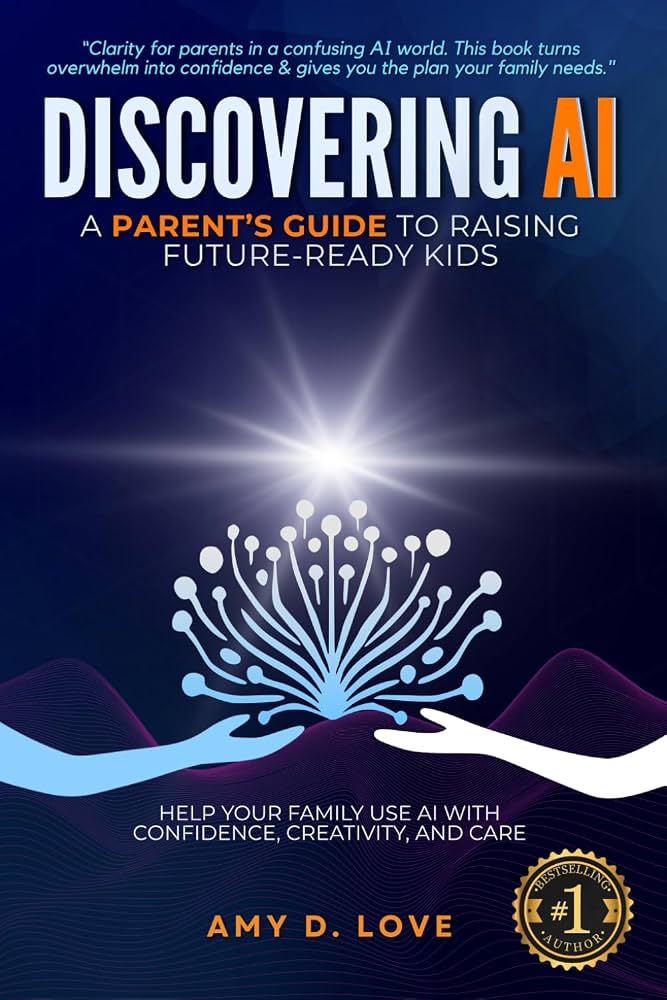
As AI becomes more prevalent, what is often overlooked from this puzzle is the role of families, which leads it to have yet to be defined. The Yellow Pages interviewed Amy Love, Founder & CEO of Discovering AI, a nonprofit focusing on AI literacy, to find out how she is tackling this problem.
From corporate to entrepreneurship to non profits, Love has done it all. She's worked in startups, and ran a nonprofit as CEO and another as Chief Operating Officer. She's been the chief marketing officer for a Fortune 500 company and for a 5 billion dollar AI company. Now, she's started her own company.
“I felt that there was really nothing in the marketplace … to say: the nuances of this artificial intelligence age requires that there be an open conversation and dialogue rather than allowing kids to just go underground with its use, while the systems ultimately at some point in time catch up.”
The current rise in AI mirrors the trends that parents experienced when social media first came out - kids being left to their own devices because parents did not have enough knowledge about the technology.
Amy Love directed me to a picture on her website of a complete auditorium of Alabama Catholic school students standing and smiling into the camera. The question she asked them? “Stand up if you’ve used AI for some sort of school assignment.”
“You may wish one thing, but we must be realistic and say this is why we need to have these conversations,” said Love.
In a two part online webinar series, available to all parents in the Spring Education network, Love wants to start the conversations that bring family values into decisions about AI use.
Part 1 of the event discussed what AI readiness means. She emphasizes the role of AI as a “helper” not a “driver”. A driver produces the final work, replaces the reading or the thinking, and hides use, invents sources, completes the thing for the student. On the other hand, helpers explain quizzes, give feedback, support practice questions and keep the student responsible. In individual situations, she hopes that families will assess what role AI is playing in each context.
Love hopes that parents leave with a shift in their mindset, to go from asking “did you finish your homework” to “how did you get your homework done?” Because, in the age of AI, complete essays appear in the blink of an eye, but the human learning process doesn't get sped up the same.
Part 2 of the event, which took place a week after the first, covers Amy’s solution: the Student and Family game plans developed by Discovering AI. The game plan is a free online document that provides a conversation starter between students and families as they fill it out together. It encourages students to talk to teachers, by leading students to find the allowed, disallowed, and guided usages for AI in each one of their classes. Now the game plan has been implemented in schools across the country.
“What will convince me that [the game plan] works is … when we've created an environment where the student feels empowered to have both a conversation with their teachers and their parents,” said Love.