Deadly Flash Floods Kill Thousands In Nepal
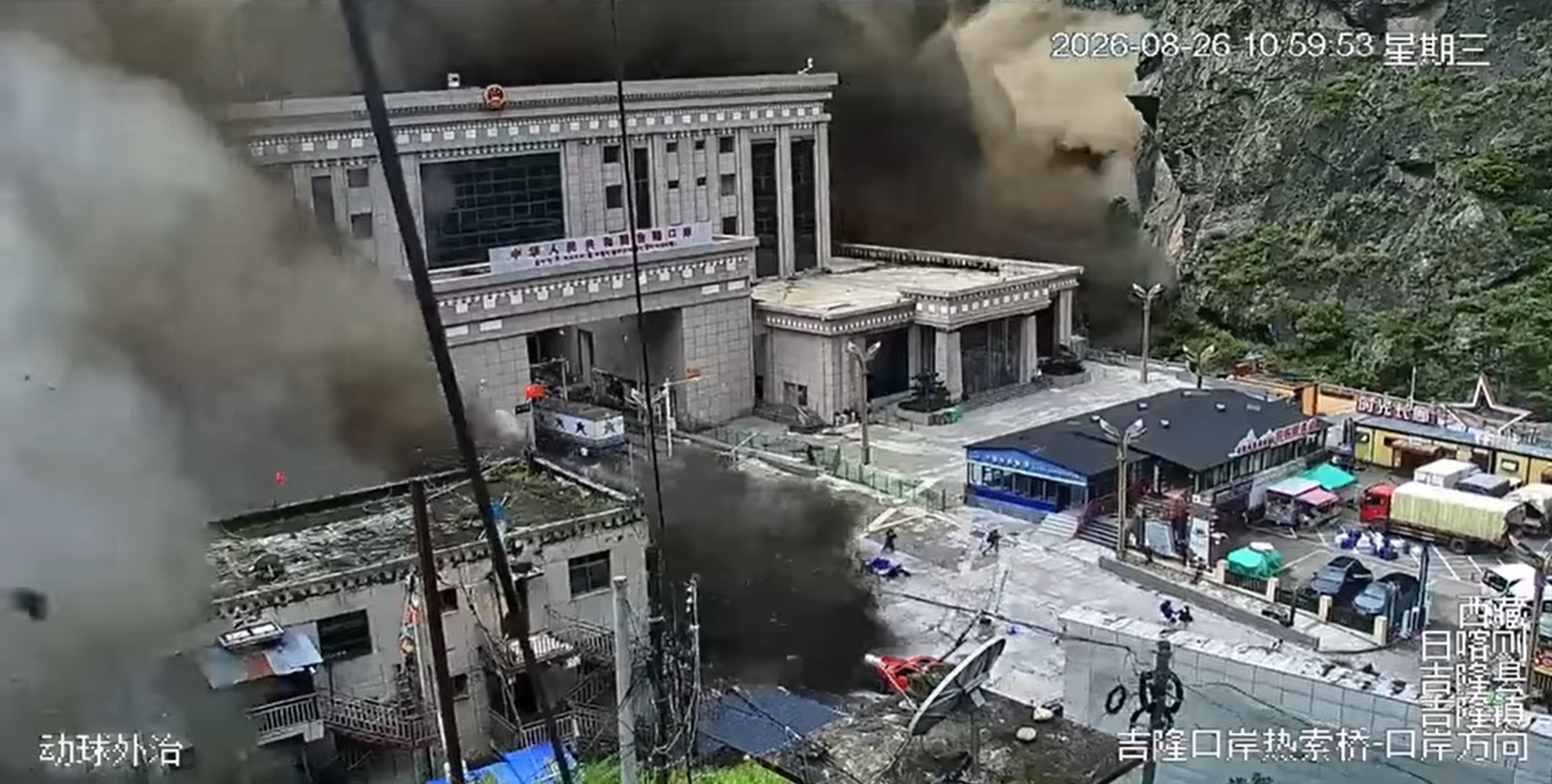
As water rises and destroys a bridge, Nepalese construction workers scream and run for their lives. Elsewhere, a bell rings as a Nepalese headmaster saves thousands of students’ lives by rushing them to higher grounds away from their school, washed away minutes later.
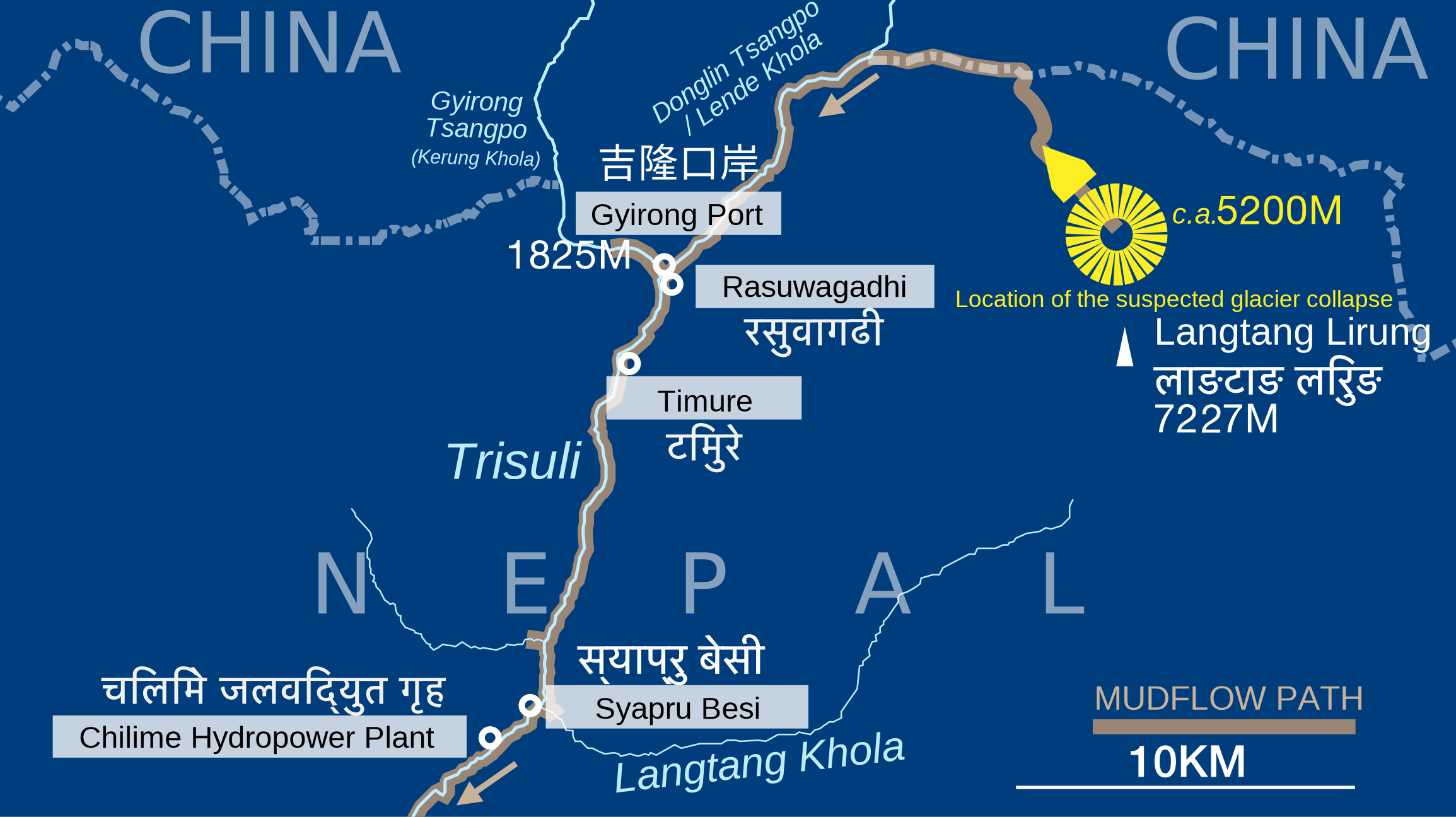
Recently, Nepal has been dealing with deadly, high-speed flash floods due to glacial rock and ice collapsing that triggered an avalanche. Near the Nepal-Tibet border, the ice-rock avalanche created a temporary dam, bursting into a flash flood. Glacier thinning and permafrost thawing exacerbated this catastrophe.
However, many South Asian countries are prone to monsoons. Despite similar disasters not being new to Nepal, these dangerous floods have had a devastating impact on the country, including major infrastructural damage. Additionally, there have been negative economic impacts due to restrictions on travel and tourist locations. Most importantly, thousands of Nepalese people are either dead, missing, or in danger.
“People's lives are being taken,” said Diya Singh (9). “Nepal is a pretty poor country. It's not that developed, so it's probably even worse for the people living there.”
Concern has risen about the money and time required to rebuild the affected areas and give government aid to the impacted communities. Thankfully, Nepal has been receiving material support from other countries and international organizations. UNICEF and Red Cross have provided health, water, and food resources, and other countries have done so with aid, power, and search and rescue.
Additionally, helicopters and ground teams have been utilized to evacuate survivors, and satellite imagery has been used to map the affected areas.
“I think [the situation is] being handled pretty well because other countries are helping [Nepal],” said Pranati Kapur (8).
Others believe more should be done to provide long-term support.
“The world is currently providing short-term aid, but organizations need to be focusing on trying to invest in better research and prediction technologies,” said Angela Cao (12).
As the floods in Nepal continue to harm more people, media coverage and public awareness have increased.
“I do [care] because it killed a whole village,” said Kapur. “It's not a fun topic or fun for the [people in Nepal].”
Even as awareness and concern increase, student reasoning differs, with some caring due to personal connections.
“I care about the floods because my parents and I have relations and family members involved,” said Singh. “At the moment, they may not be dead, but they're still in danger.”
Meanwhile, others care despite not having any personal connections or family members in Nepal.
“Realizing that each person there who's affected by it has a family and has an extensive network of people that they know is even more sad,” said Cao.
Regardless of people’s reasons for caring about Nepal flash floods, they all agreed on one thing: disasters are always an important topic, and people should care about them whether they are personally impacted or not.
“Sometimes, when we hear about natural disasters, we think of it as separate and as not related to us. Since this is actually happening and it's connected to at least me and a few other people, it can increase the magnitude of how we see it,” said Singh. “It's a real thing. People are actually dying and are in need of help.”
Overall, responses to these deadly, high-speed flash floods in Nepal have proven that many people, including students at BIFU, are aware of this tragedy's deadly impact on Nepal.
“People should care about [these floods in Nepal] because even though they [don’t] directly affect us, we are all citizens of the world,” said Cao. “That means that we all have a responsibility towards other people, even if they're in other countries.”