The Hidden Industry of Puppy Farms
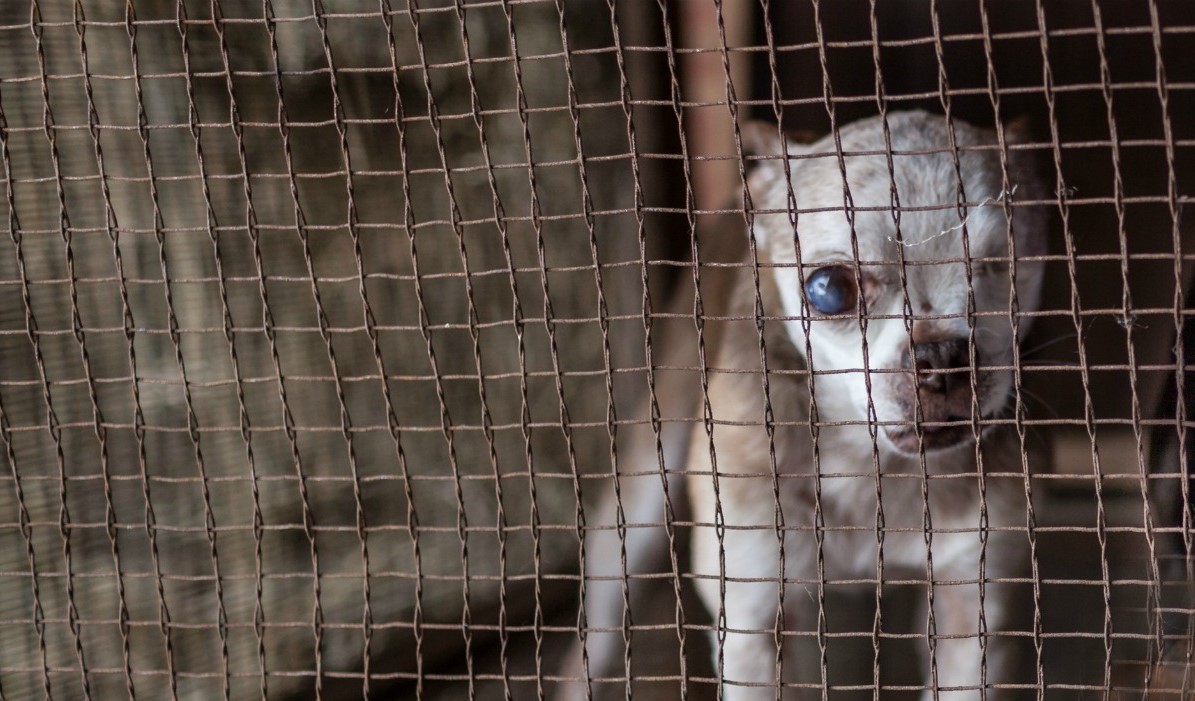
Every year, roughly 2.1 million puppies are sold from “puppy farms”, or breeding facilities, kept in inhumane conditions where the focus is on profit rather than the wellbeing of the puppies or their parents. When these dogs become too old to breed, they are often killed. According to Spots.com, roughly 2 million other dogs are killed in puppy mills through inhumane conditions, including shooting, gassing in makeshift gas chambers, and other methods. According to the same source, the puppies that come out of these farms are 41.6% more likely than the general dog population to have health issues, including susceptibility to fleas, ticks, eye problems, and overall poor mental health as adults.
Puppy farms are commonly found in the Midwest, in a region nicknamed the “Puppy Mill Belt”. These states include Missouri, Indiana, Ohio, and Pennsylvania and often have weaker state regulations. This allows farmers to sell dogs commercially for profit; any attempt to regulate the industry faces the accusation of “harming the agricultural industry”.
Out of the Humane Society of the United States’ “Horrible Hundred” list, 31 out of 100 problematic breeders were located in Missouri. Missouri itself is ranked the worst state for commercial breeding due to its widespread reputation for puppy farms. In all too common stories, rescuers report finding dozens of emaciated dogs starving to death without food, water, or shelter. Oftentimes, rescuers are unable to differentiate between those alive and those who have died.
Many people who buy puppies from puppy farms do so unknowingly and are unable to identify signs that a puppy has been abused in its early life. Common signs include excessive sleeping, a runny nose, and difficulty forming trust. In more extreme cases, dogs have been noted to not sleep in beds because they simply did not know what a bed was.
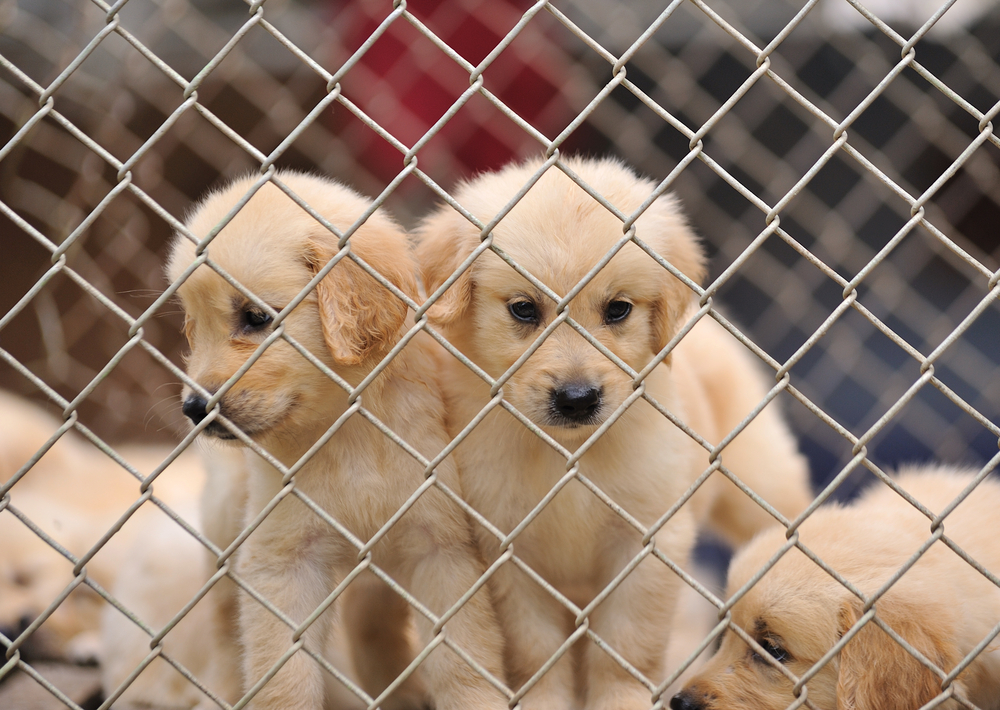
Many dogs have been found to be from these specific regions, even as they come to live with owners as far away as California. Although several dog owners got their dogs from a local breeder, an anonymous survey at BIFU revealed potential cause for concern. One teacher got her dog from Missouri, another student’s dog came from Indiana, and another student had a dog from Arkansas. All three of them are states which are known for high concentrations of puppy farms, as well as poor regulation of the agriculture industry. It’s uncertain whether the dogs were born on puppy farms, although two out of the three dogs reportedly have no health problems.
The same could not be said for the teacher’s dog. “I think it started off when he was very, very young. About a month after we got him, I started seeing that certain things weren't normal, especially as a previous dog owner.
After looking into the problem, the only thing they found was more questions.
“So then, instead of asking for the answers, I more like demanded them to start testing specific things. We found out that he's allergic to everything that you can think of, and that he has stomach issues, and he throws up on a regular basis, and he has to be on medication to prevent that, and his digestive system is not great.”
Unified detest toward puppy farms was consistent amongst those surveyed.
According to one anonymous student, “The thing I hate most in the world are people who mistreat animals.”
As for Helena H. (10), she believes that, “Puppies shouldn’t be exploited for profit, as it builds a horrible mindset for both the sellers and owners. Puppies can be raised and sold in perfectly normal ways.” Nina K. (11) emphasized the need for regulations to protect puppies from all across the United States. At the end of the day, pro-regulations or not, the abuse of puppies is a crime and should be treated as such.