Zohran Mamdani in Office
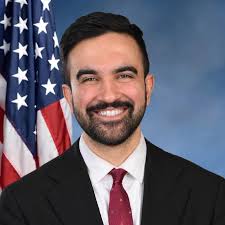
Since taking office on January 1st 2026, New York City Mayor Zohran Mamdani has taken significant action to signal shifts in the city’s policy priorities. Though his administration is still in its early stages, Mamdani’s initial actions provide insight into the issues he deems the most significant and how he intends to govern the largest city in America. Accordingly with his campaign, Mamdani’s first weeks have primarily focused on issues concerning housing, administrative restructuring, and reversing policies from previous administrations.
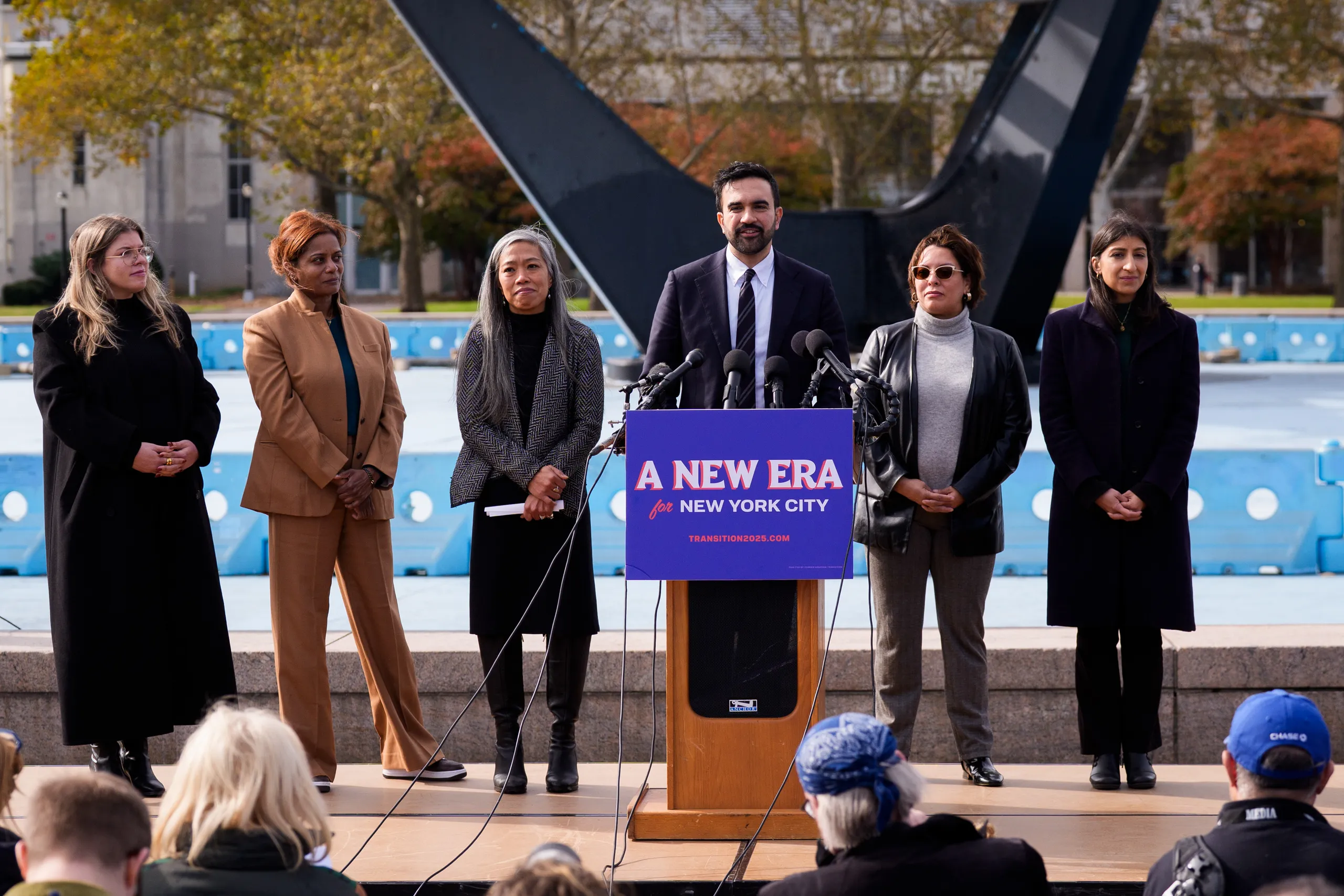
Housing policy is a central theme in Mamdani’s mayoralty. He recently revived Just Homes in the Bronx, a controversial housing project that provides rent stabilized apartments to formerly incarcerated seniors with medical needs. This move aligns with Mamdani’s broader approach to homelessness, which is to provide permanent solutions over enforcement or punishment based strategies.
“It seems interesting,” said Emilie Xue (7). “His solutions are more permanent than many of the things I’ve seen.”
Mamdani also ordered a sweeping reversal of all Eric Adam’s executive orders post September 26, 2024. These reversals included policies encompassing topics such as city contracting rules and adoption of a specific definition for antisemitism. While the extent to which he will change the status quo is still unknown, it is certain he intends to have a fresh start early in his mayoralty. In addition to these policy changes, Mamdani has also invested a significant amount of his time in establishing his administration. He has appointed various prominent progressive commissioners and deputy mayors across governmental agencies, all of whom will do significant work in management and guide the future direction of NYC.
“Reversing all of [Eric Adam’s] executive orders is kind of a big move” said Hannah Zhao (11), “but I get why he did it.”
Despite his early activity, many of Mamdani’s most ambitious campaign promises, most prominently free buses, city owned grocery stores and expansion of affordable housing, are still only in the planning phase. These proposals would require significant funding, coordination with the City Council, and in some cases, approval from the state government, all of which present significant logistical and political challenges.
“I don’t know if what he’s trying to do is really possible” said Spandan Pradhan (11), “It is intriguing though.”