Why Rising RAM Prices are Affecting Students
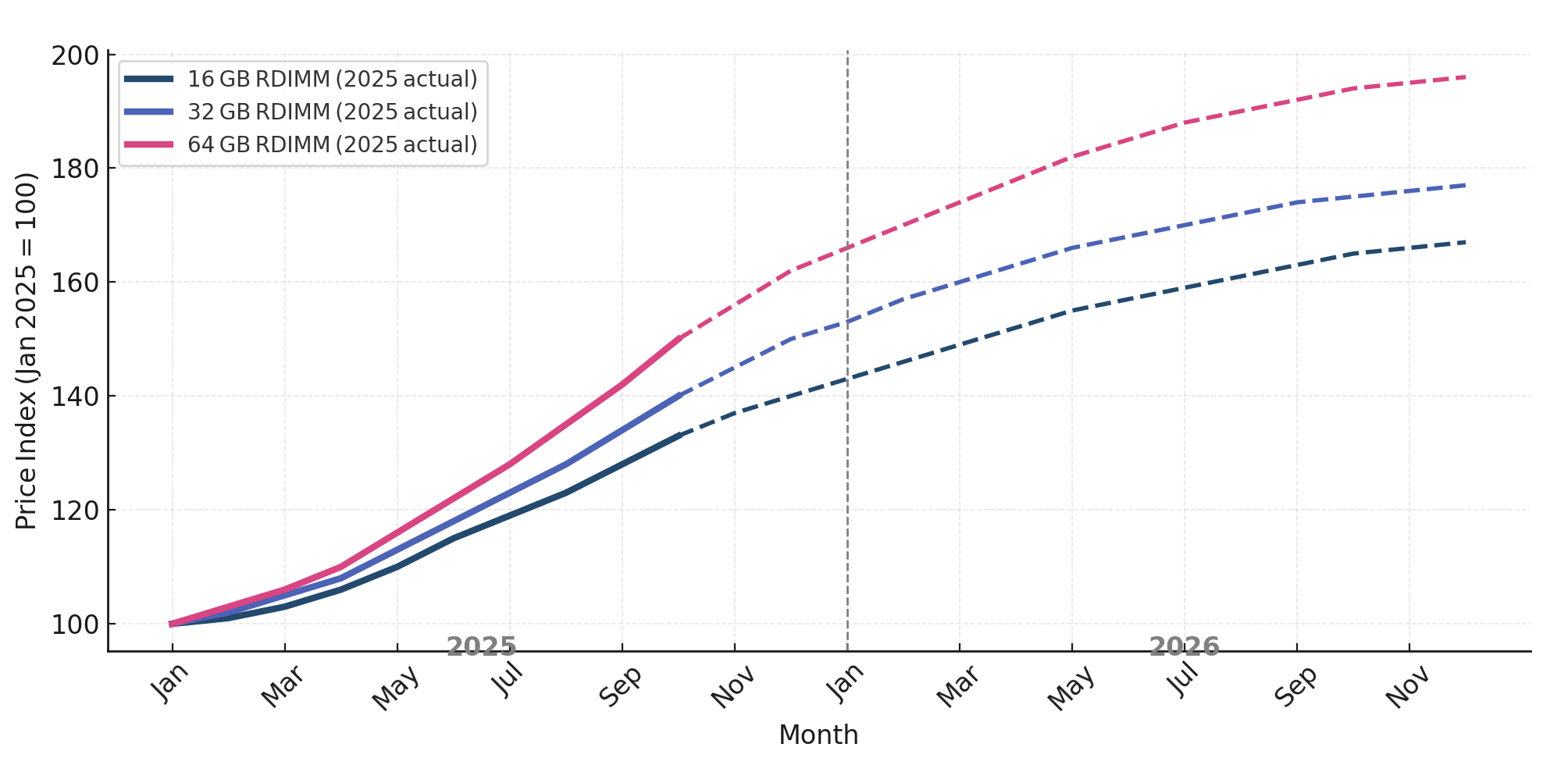
RAM prices are currently hitting an all-time high, leading to much higher costs of laptops, and for those trying to upgrade their computers, it has become significantly more difficult. This has happened during a time when students are starting to rely more on personal devices for school. Furthermore, with assignments, exams, and group projects moving online, having access to a functional laptop isn’t just something that makes your life easier but instead more of a necessity.
For many students, this rise in price led to a difficult decision on whether or not they should upgrade their computer. Slower performance, limited multitasking, and not being able to run certain softwares all affect students, particularly for those who are taking STEM courses or running CPU-Intensive software.
Beyond individual performance issues, rising RAM prices are also changing how students do their schoolwork. Many students are being forced to adjust their habits around the limitations of their device such as keeping fewer tabs open, and avoiding running certain programs at the same time.
One anonymous 10th grader says that rising hardware costs have limited him from upgrading his computer which in turn has changed how he manages his assignments.
“I’ve started to be more careful about what I run at the same time. If I have too many tabs open or try to use certain programs while I'm on a call, my laptop slows down a lot.”
However, many companies have put restrictions into place when trying to upgrade a laptop. Many modern devices have RAM soldered directly onto the motherboard which means that students cannot upgrade their system even if they wanted to. This forces many students to just upgrade their laptops entirely and with RAM prices continuing to rise, even basic upgrades to computers are becoming difficult to justify.
As schools continue to rely more heavily on online work, the expectations for student devices are continuing to grow. Many classes now require students to run multiple applications which include video call softwares, research tools, collaborative documents, and programs specifically for a class such as BlueJ. STEM courses in particular also usually depend on programming apps or simulation software that requires large amounts of memory which makes old devices not viable to use.
While RAM prices fluctuate over time due to many factors, their impact on students is very evident. A functional laptop has become essential to completing homework & collaborating with classmates. As education becomes more based online, rising hardware costs raise important questions on accessibility and how students can keep up.