Venezuela: the U.S.’s Latest Foreign Interest
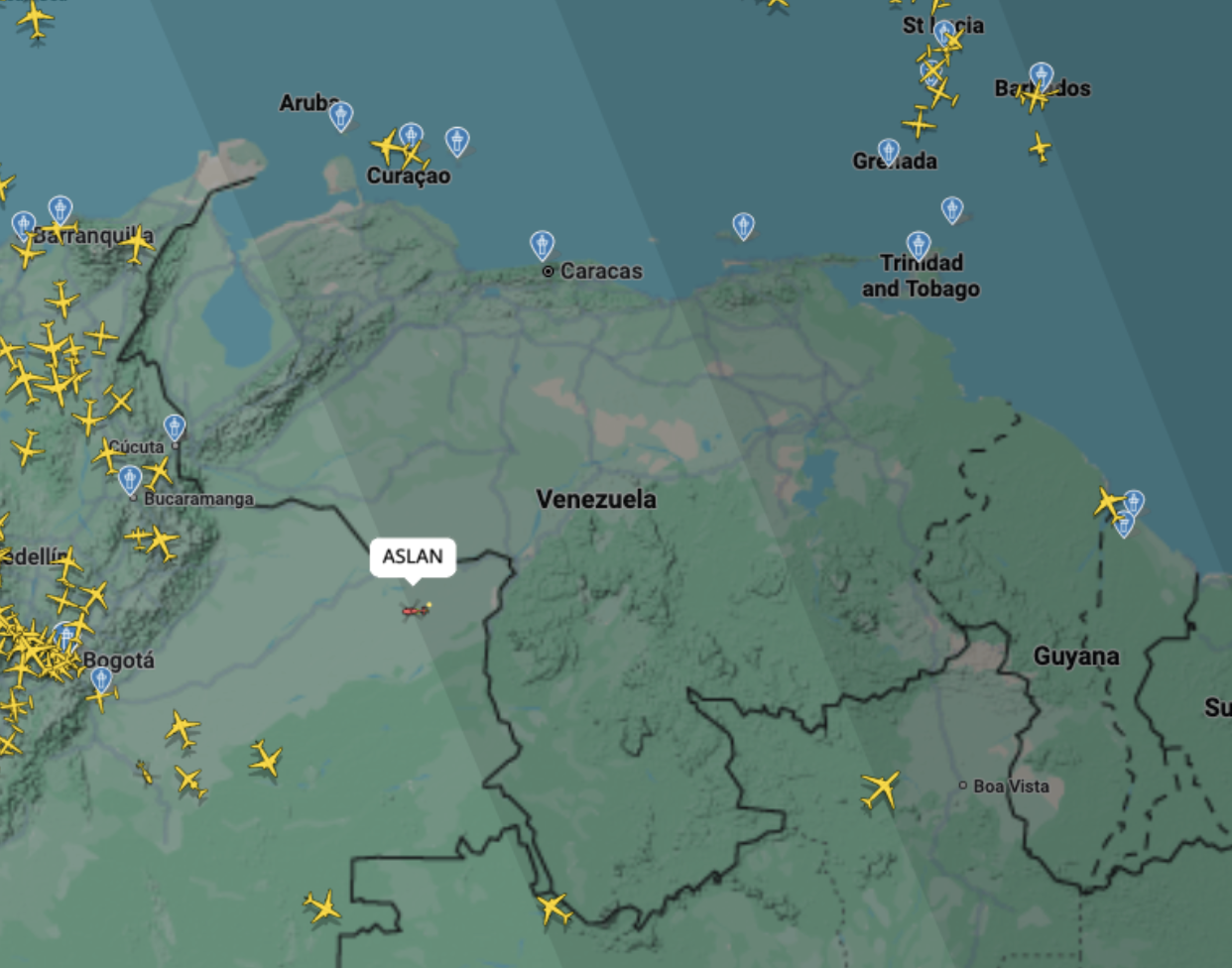
The United States’ bombing of the Venezuelan capital and capture of its president, Nicolás Maduro and his wife Cilia Flores, shocked people from both nations and spurred debates of legality and future implications. Titled Operation Absolute Resolve, the U.S. invasion of Venezuela on January 3, 2026, sparked controversy and outrage for its lack of precedent and prompted the question of the extent of U.S. power in Venezuela and other foreign countries.
Tensions between the U.S. and Venezuela had been rising due to allegations of extensive drug trafficking in Venezuela, its close alliance with U.S. political adversaries China and Russia, and disputes over its crude oil reserves. The U.S. invasion began at around 2 A.M. local time on January 3, including the bombing of Venezuelan infrastructure and the attack on Maduro’s compound in Caracas. Maduro and Flores were both transported to the U.S. aboard the USS Iwo Jima before being held in the Metropolitan Detention Center (MDC) in Brooklyn, New York, on charges of narcoterrorism.
Maduro’s capture was shocking to the international audience given the unclear influence of U.S. power in Venezuela, a country that is neither an official U.S. territory nor a location for any U.S. military bases.
“My first reaction was just complete incredulity,” said Aditya Kharkar (12). “It’s not every day you hear about the leader of a country getting up and kidnapped by a foreign government.”
The Venezuelan presidential crisis from 2019 to 2023 further complicates the issue. In 2019, Juan Guaidó, the opposition leader, was recognized as the legitimate president of Venezuela by 88 countries following the 2018 Venezuelan presidential election, which barred the participation of most opposition parties, yet Maduro remained in power. However, Kharkar notes that despite the ethically questionable political status of Maduro, the U.S. should not have involved itself.
“I did know that Maduro had been manipulating elections for [a while],” said Kharkar. “At the same time, I feel it was far from the U.S.’s place to intervene because Venezuela does have a right to sovereignty as much as any country.”
Furthermore, one of the primary incentives behind Operation Absolute Resolve is that Venezuela contains the world’s largest proven oil reserves. Serving as a major point of contention between the U.S. and Venezuela, these reserves are worth an estimated $303 billion (Source: Visual Capitalist). Tycho Young (11) shares that he believes that the pursuit of these oil reserves, foreshadowed by government meetings with major American oil companies such as Chevron, is incredibly significant when analyzing the incident.
“The drug trafficking charges are more realistically a front for whatever ulterior [motive of the U.S.],” said Young.
On their trial on January 5 in Lower Manhattan, New York, both Maduro and Flores pleaded not guilty to the charges of drugs, weapons, and narcoterrorism and are currently still being held at the MDC. Delcy Rodríguez, Maduro’s vice president, is serving as the interim president.
In addition to the wider political and economic significance, the arrival of the U.S. Armed Forces in Venezuela disrupted the lives of people and tourists in the Caribbean during the attack. Hailey Schmerge (10) shared that she was in Barbados on January 3, and flights to and from the Caribbean were cancelled for a couple of days.
“Something that’s not really covered here in the US,” said Schmerge, “is that people were not even able to start travelling home till [a few days later].”
From its significance in international politics to its disruption of life in Venezuela and other Caribbean countries, the U.S.’ capture of Maduro triggered necessary discussions of foreign influence and political overreach. Ultimately, Operation Absolute Resolve reminds Americans that just because the U.S. has the resources to intervene in another country’s proceedings does not necessarily mean that it legally or ethically should.
“If you can just go in because the U.S. has an interest in controlling another country that is smaller than it,” said Young, “because [the U.S.] has so much more firepower or power overall, why can’t these other countries on the other side of the world [do the same]?”