New Year, New You: A Guide To Effective 2026 Resolutions
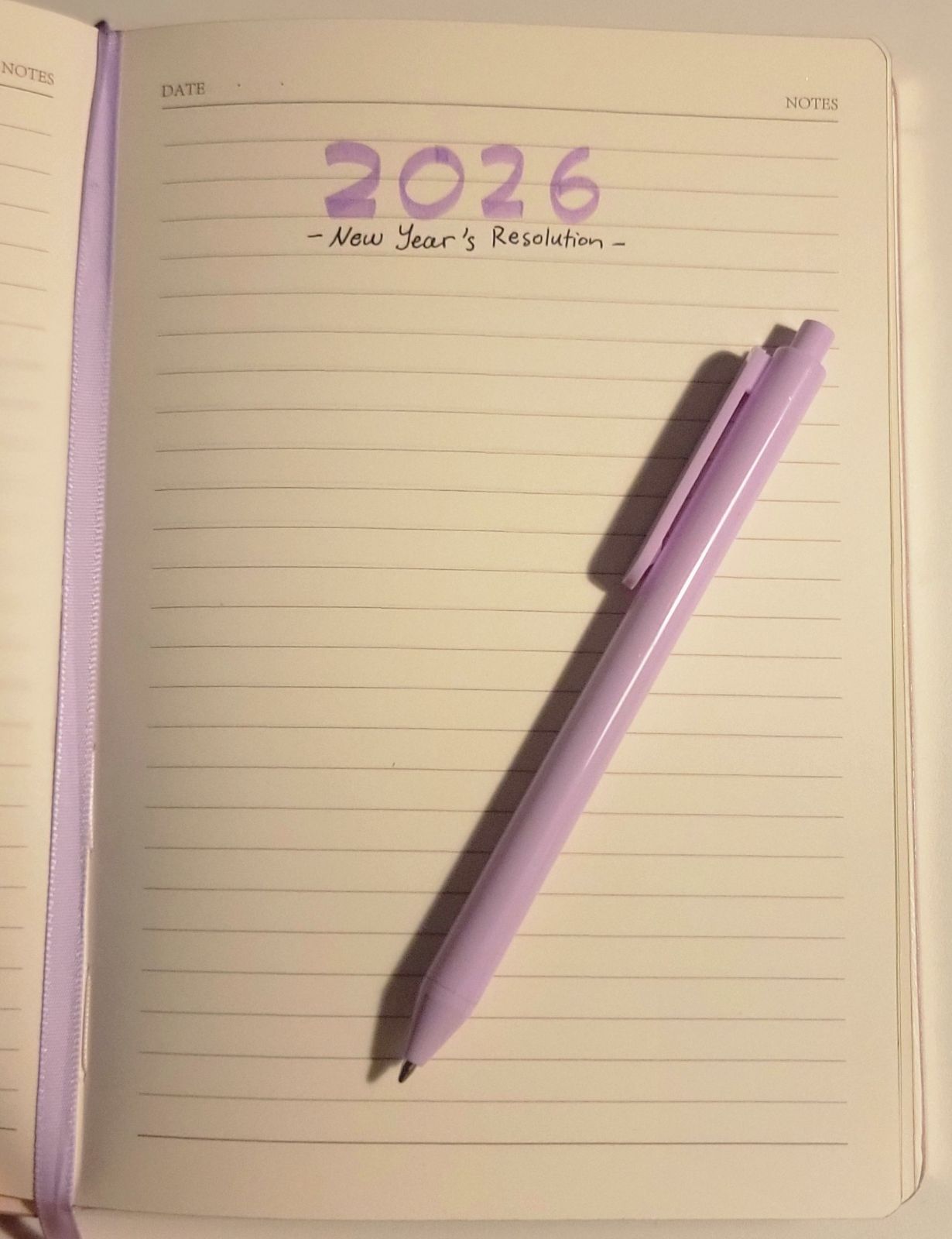
We are finally into 2026, a new year that holds new adventures. To celebrate, people watch firework shows, spend time with family, and set up goals for the future. Many people decide that a fresh start is the perfect time for improvement—whether that means academically, physically, or mentally. A simple way to plan out the year ahead is to write a New Year’s resolution, which is a goal or list of goals that someone hopes to achieve as the year goes on.
Unfortunately, not many people actually carry their new plan beyond the first week of January. However, quitting so soon isn’t always a perseverance or discipline problem, but rather because the resolutions written are not feasible. For example, if someone has never been able to finish reading a book series, reading ten trilogies by the end of the year isn’t the best goal to set up, but it is still attainable with the correct mindset and procedure.
To create the perfect resolution, students would need to consider their personal needs, behavior, and habits. They would need to focus on which aspects of themself they want to improve, and they need to ensure that they have full control over those aspects so that they can achieve their goal without having to worry about any outside factors. Another thing to consider would be how long the journey to accomplishing this goal will take, whether they will continue working towards it all year or if it relates to a specific event that comes up sooner.
Additionally, resolutions should be tailored to accommodate consistency and repetition. Instead of setting a huge target for performance once a week, goals should be broken up into smaller, less demanding bursts of behavior-improving tasks, such as practicing a new skill once a day for a short amount of time. This guarantees consistent habits that will eventually lead to significant changes.
The struggle to maintain resolutions in the new year could also be caused by overgeneralized plans that do not fit into a student’s busy schedule. The lack of specific instructions can lead to neglecting the goal entirely or to confusion on the direction of the goal as the year goes on. This is why planning is an essential part of creating achievable resolutions. Students should create a realistic routine prior to starting their journey in order for their goal to be effective.
For all aspects of a good resolution to come together, students should consider one more thing: creativity. Instead of the same “eat healthier” and “stop procrastinating” that is written down in journals every year, students should think outside of the box for more inspiring ideas. Improving the skills already acquired is great but trying new things or stepping outside one’s comfort zone is the best way to make the most of a new year.
New Year’s resolutions are written by various students every year all with the same main objective, but it is easy to lose track of goals as the chaos of the year unfolds. Implementing new habits and trying to consistently reach milestones can seem daunting, but careful planning and consideration can change everything. 2026 is a new chapter with new adventures in store, and well-planned resolutions can help anyone achieve their goals without the overwhelming stress of an unrealistic routine.