More Than Just Gaming
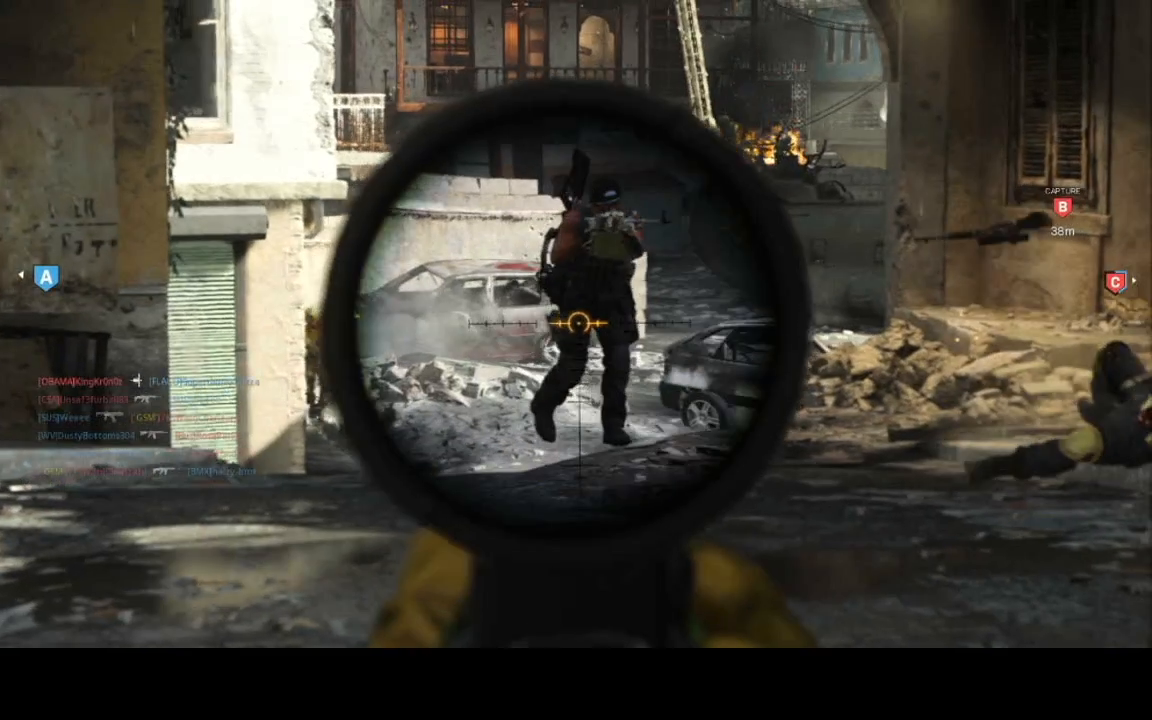
Multiplayer combat video games (MCVs) such as Valorant, Fortnite, and Call of Duty are high-octane and high-energy action games. These games frequently reach concurrent player counts in the hundreds of thousands, with some even exceeding millions, underscoring their immense popularity. While many people enjoy these games, there are also numerous people who criticize them for their violent nature. Specifically, concerned parents worry that exposure to too much violence can alter their children’s minds and possibly make them more susceptible to violent and aggressive thoughts. Aside from allowing kids to relax, though, these video games have many positive effects, including building up the mindset of being a team player and helping players control their nerves.
Many MCVs involve a team of a few players against one or more other teams in a game, ending with the last team standing. Playing action-filled games with friends is always fun and very conducive to forming strong bonds, as it gives them the shared goal of victory that they all work toward. However, many players will also play by themselves and end up with random teammates. This only helps these players grow into team players, as they play more games and learn to work with people they barely know. They need to learn to communicate with other players who may sometimes be unruly or uncooperative. They may also run into toxic players, which requires them to adapt to the possibility with mean teammates too, that they need to soldier through with.
One prominent aspect of MCVs is their intensity. Since most are shooter games, the stakes are usually high in the kill-or-be-killed scenario. Such circumstances make the games quite stressful, adding to the experience and allowing players to adjust to the intense pressure. Even with the pressure of always looking for enemies, players need to stay calm to aim well and think strategically within the game. In the real world, many situations may be stressful but still require rational decision-making under that intense pressure. To build up this calmness, players must play many games, likely leading to many losses. Losing games only builds up their resistance and reduces their worry about not winning a game, which helps with their nerves outside of the game.
Overall, since MCVs are often criticized for their content, the meaningful skills they develop are frequently overlooked. Through teamwork, communication, and high-pressure situations, MCVs encourage players to cooperate with others and stay composed in the stressful environment of the game. These developed skills transfer to everyday life, where it is essential to collaborate with others and stay level-headed. Rather than being observed as a source of concern, MCVs should also be viewed as environments that foster the growth of their players when played responsibly.