Audiobooks: An Underrated Form of Reading
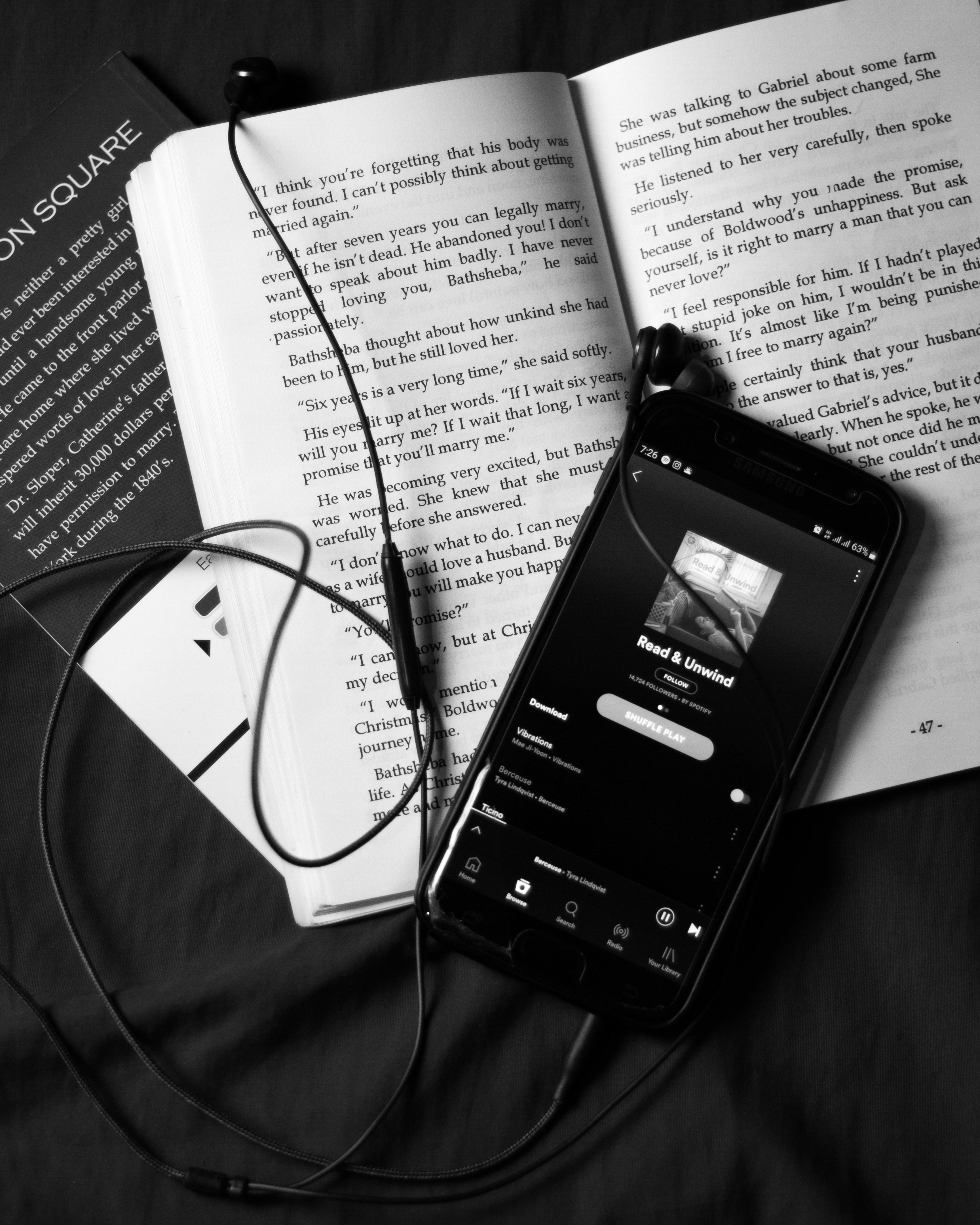
Typically, my daily commute to school involves a car ride just long enough to listen to a chapter of the book I’m currently reading. I pull up the recording on my phone, connect the device to my AirPods, and press play.
An audiobook is a recording of a book being read aloud, allowing people to listen to its content instead of reading the text. Available on various devices and apps, including Spotify, Audible, and Apple Books, audiobooks are typically narrated by authors, celebrities, or professional voice actors, whose diverse techniques bolster listener immersion. While reading visually is considered the default, there are numerous reasons why an individual would prefer listening to an audiobook. Listening allows for multitasking, greater accessibility, and further immersion for readers who enjoy picturing characters or scenes in their mind.
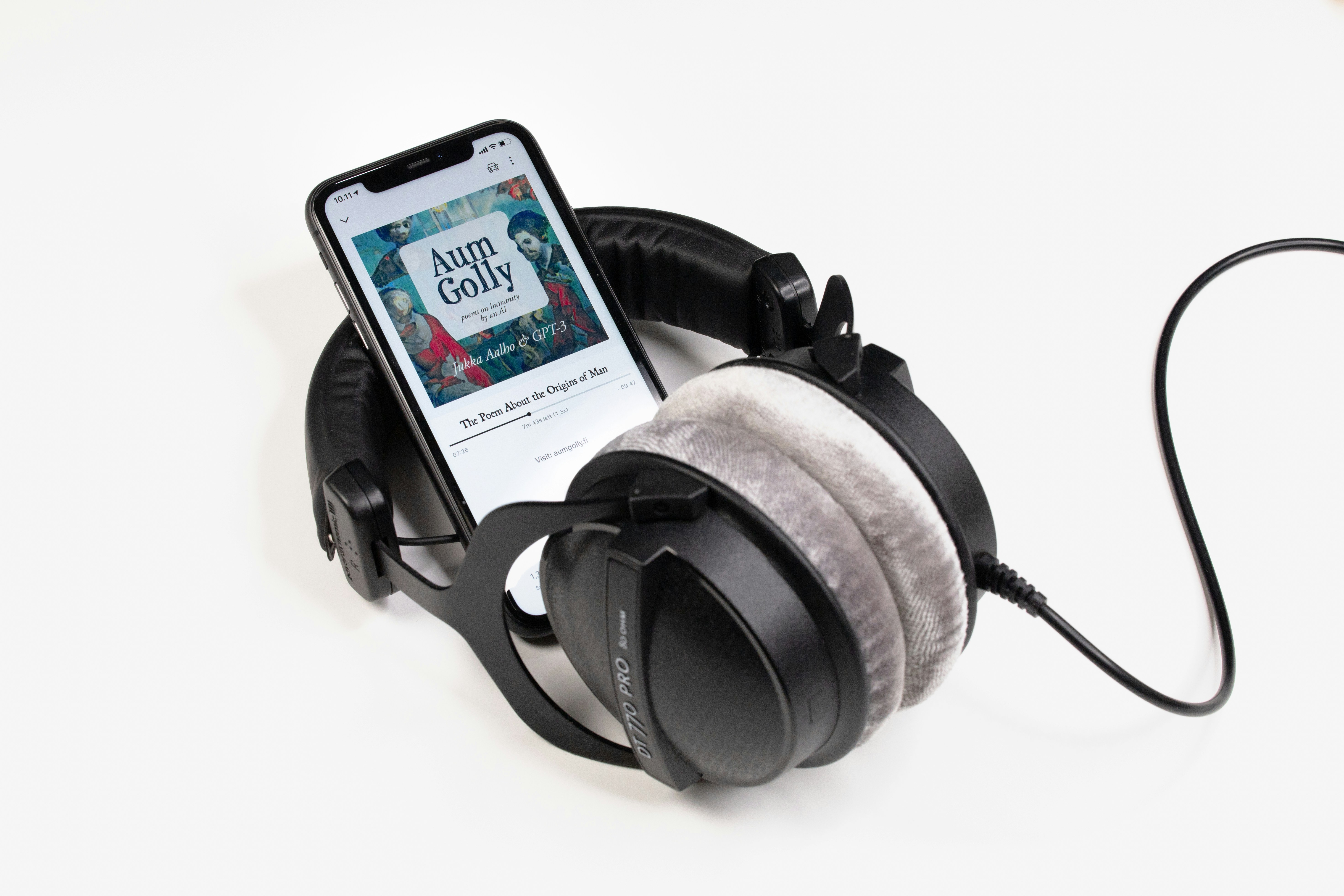
Audiobooks offer a similar level of engagement to reading the text by activating the same brain regions with the same intensity. Brains process and interpret words in the same way, indicating no significant difference in comprehension (Discover Magazine). Although this format may be passive, it still identifies as a form of reading due to these similarities.
In particular, students can benefit from listening to audiobooks, because it allows them to read even when they’re busy with other tasks like doing chores or commuting somewhere. I enjoy listening to them when exercising, as it makes the process more engaging and motivates me to complete the workout. Additionally, multitasking is only possible due to the convenience of audiobooks, since they don’t require hands to hold them — only earbuds. This makes it possible to enjoy reading even when performing extreme activities like running a marathon or rock climbing.
Despite being different from the norm, audiobooks are no less compelling than other book formats. The talented professionals behind audiobook narrations ensure that listeners get the full experience of being teleported into a fictional world, even if it’s through voices rather than words. I really enjoyed voice actor Santino Fontana as Coriolanus Snow in the audiobook version of The Ballad of Songbird and Snakes, as he was able to perfectly capture the character’s transformation from an ambitious young man into the villain of the story.
Some readers like to visualize each page as a movie scene in their minds, so hearing the characters’ voices can help with fleshing them out and making the world feel more real. Many readers also enjoy a process called “immersive reading,” which entails reading a physical or digital text while simultaneously listening to the audiobook. This helps with better focus and comprehension, blocking out distractions by increasing stimulation.
Furthermore, audiobooks allow people with visual impairments or other accessibility issues to read. Instead of utilizing gripping text, audiobooks employ powerful voices to convey plots, allowing for a high level of comprehension that’s simply in a more accessible format. Many apps that offer audiobooks also include features like adjustable speed and highlighting text while listening, which further contribute to their flexibility. Listeners are able to adjust the settings to fit their own needs, meaning that this method of consuming books is both personal and accessible.
Ultimately, audiobooks are a legitimate form of reading that is often overlooked in favor of more common formats. They enable multitasking, accessibility, and expansive immersion for readers of all kinds. Numerous stories can be experienced even more thoroughly when heard rather than seen.