Nearsightedness: Causes, Effects, and Prevention
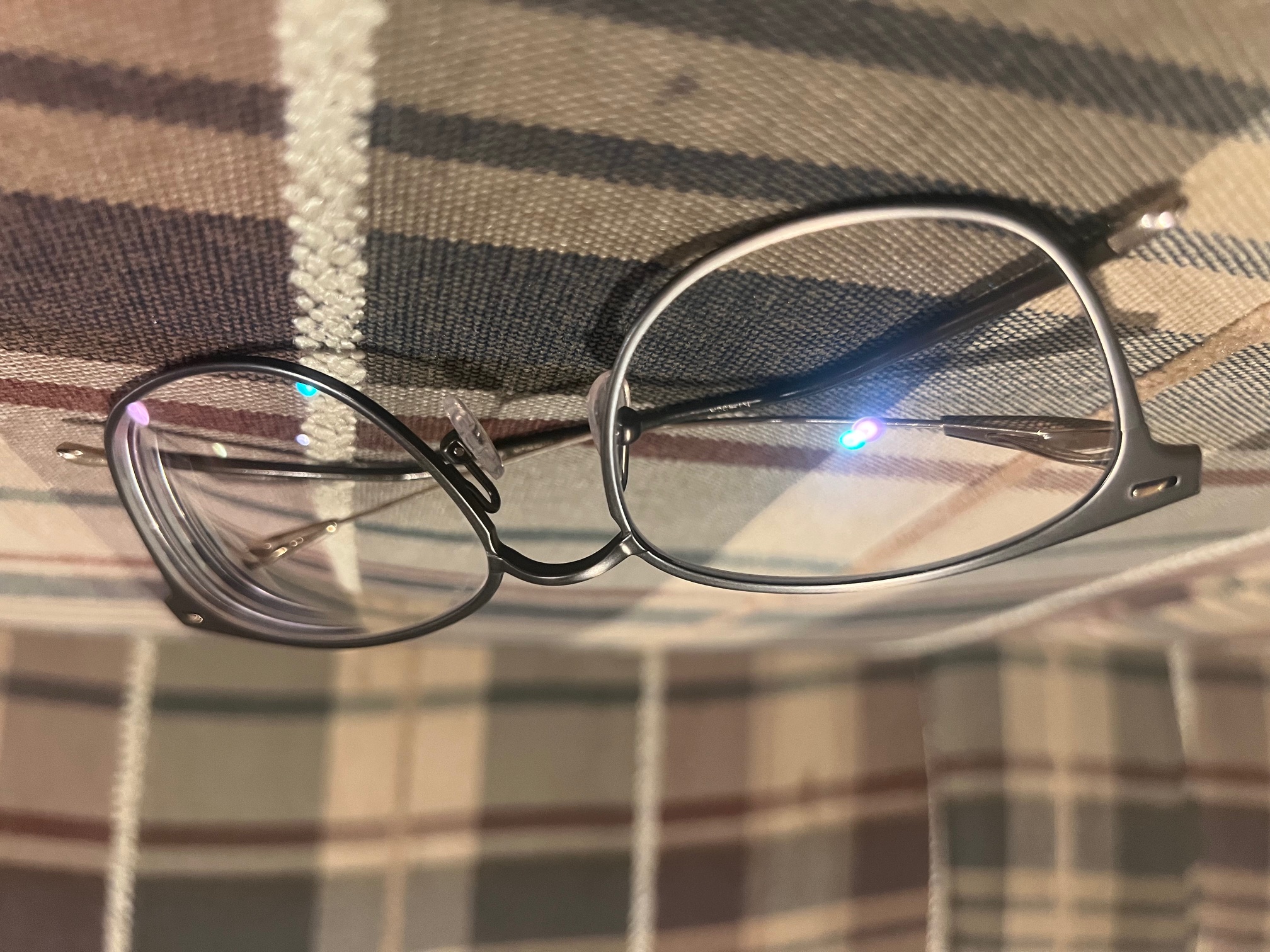
When being nearsighted, it can be a struggle to see distant objects as anything more than fuzzy blobs. Even from a shorter distance, it’ll be hard to read or identify finer details. Without glasses, this becomes a daily reality.
“I remember in fifth grade, I would look at the math board. I wasn't that far away from the board, but when I looked at the numbers, they were changing,” said Zion Young (8), “I would see a five and then maybe a three, and then an eight. It was pretty hard to do math.”
Nearsightedness, also known as myopia, often develops from a young age, starting in elementary or middle school. For some, it’s a genetic condition that’s passed down from one or both parents.
Even without the condition, it can develop and worsen by putting too much strain on the eyes for too long. This is mainly due to looking at screens or reading for extended periods of time, especially without proper lighting or distance from the eyes. This condition affects over 40% of the US population.
“When I was young, I would read in bed, but I'd do it in very faint lighting, and I've been told that is one of the reasons why people's vision gets worse,” said Young.
To avoid becoming nearsighted, it is important to reduce eyestrain, especially from common sources. Using devices less can help, but not everyone can afford to lose access to such an important tool.
Even then, there are a lot of easy methods that require little work to integrate into each day. When using devices or reading, placing it further away and making sure to be in a well-lit room can help reduce the strain on the eyes. Taking breaks is also a great way to relax eye muscles, especially by going outside. To supplement this, foods with a lot of vitamins, like vegetables and fish, are also good for the eyes.
When nearsightedness is already present, the most important thing to do is make sure it doesn’t get worse, usually by using glasses or contacts. Contacts come in many different forms, such as Ortho-K lenses, which are exclusively worn at night.
“When I was small, I had night contacts. But then, I came to America, and here, my eye doctor told me to get day contacts,” said Nick Yin (9), “Now, my eyesight is improving, a sign of the defection that I was born with no more.”
Additionally, Atropine eye drops help to reduce the progression of Myopia by a significant amount; however, they may come with side effects like allergies or a stronger reaction to bright lights. A doctor will need to know these possible health risks before prescribing eye drops.
It’s important to note that becoming nearsighted is much, much easier than prevention. Reversing the effects is slow and difficult, save for drastic measures like laser refractive surgery (which is only available to adults). To avoid having to wear glasses, it’s crucial to take care of your eyes every day.