Energy Drink Consumption - Is it Worth it?
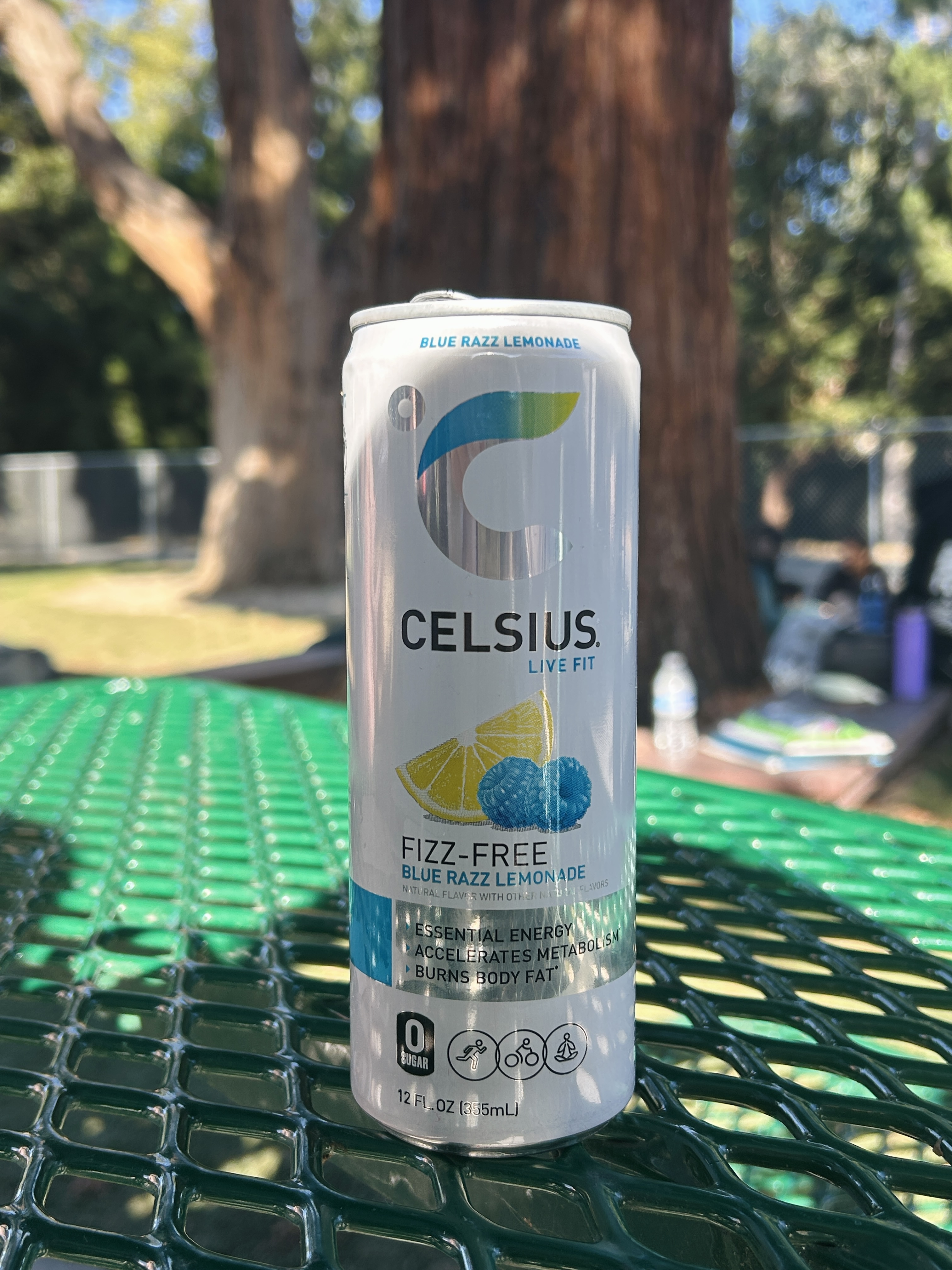
For many students, especially those at academically rigorous schools like BIFU, feeling sleepy during the day is a common occurrence. This sensation, often attributed to studying or taking part in extracurricular activities late at night, can disturb students during class and hinder their ability to focus. As a solution to this problem, individuals may choose to consume energy drinks, which are beverages that temporarily increase energy and enhance alertness.
At BIFU, it’s not uncommon to see a student walking into class with a can of Celsius or Monster in hand, relying on the boost of energy they provide to remain an efficient, functioning human being. The ultimate question remains — is this consumption worth it?
The primary contributor to the popularity of energy drinks is their ability to quickly and effectively boost your energy. According to the Centers for Disease Control and Prevention, this immediate reinforcement is possible due to the large amounts of caffeine, added sugars, other additives, and legal stimulants such as guarana, taurine, and L-carnitine present in the drinks. By increasing the levels and activities of key neurotransmitters like dopamine and norepinephrine in the body’s nervous system, these stimulants can also increase alertness and attention.
Alyssa Liu (10) said, “I consume energy drinks whenever I’m tired, which is like every other day … for studying late at night and staying awake during class”.
Liu represents a relatable image for all BIFU students — that of the overworked student. Nonetheless, her reliance on the beverage demonstrates its success in bolstering energy.
Another factor that draws consumers in is the wide variety of flavors many brands offer. For instance, Celsius has around 30 total flavors, ranging from simpler flavors like peach to more complex combinations like mango lemonade. They offer both sparkling drinks and fizz-free options, ensuring that the brand appeals to everyone.
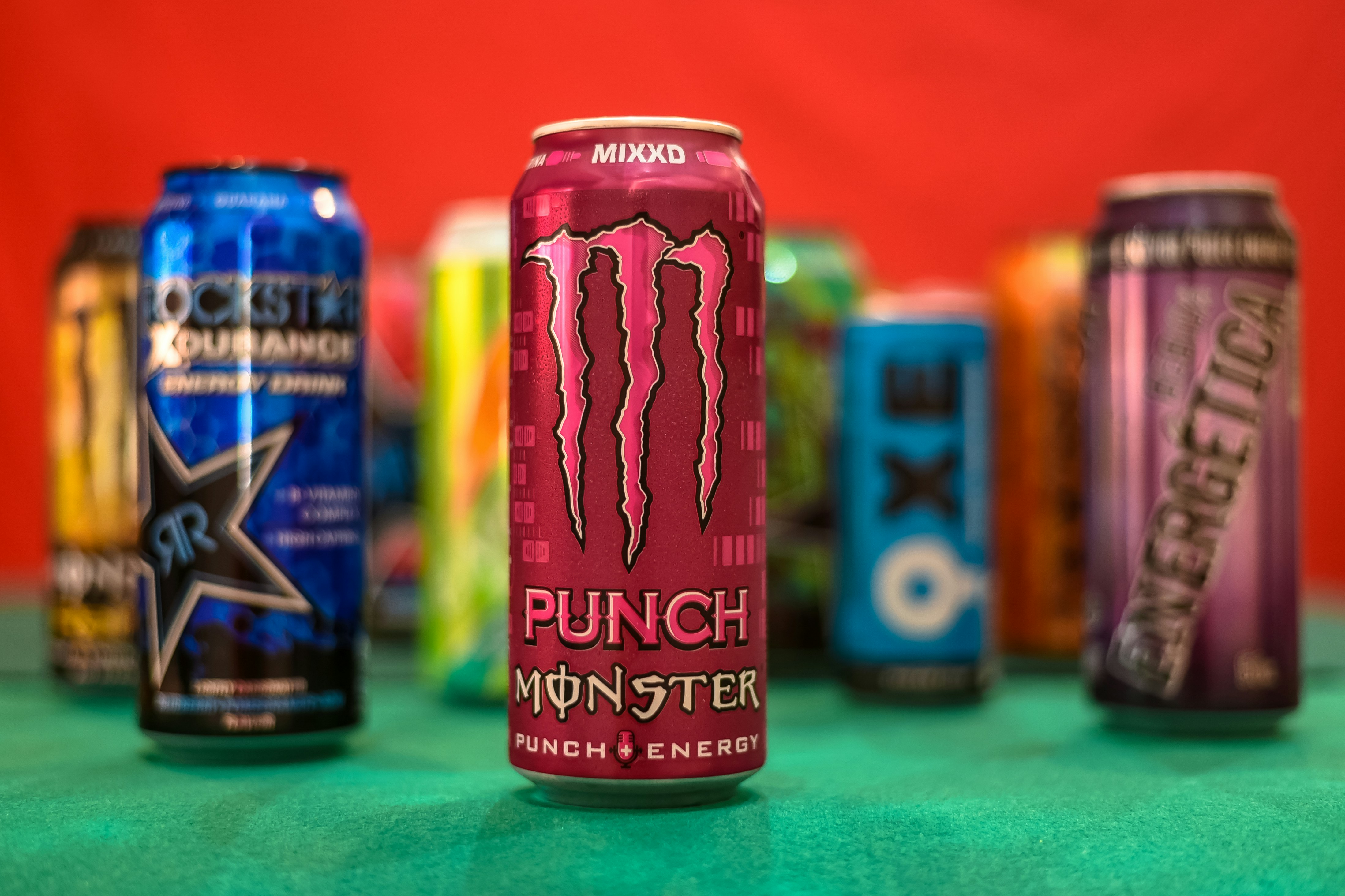
Kaiyra Marwaha (10) said, “My favorite brand is Monster Energy … for some I just like the taste”.
These options appeal to those who don’t care about the boost in energy and just want a yummy drink — the flavors perfectly emulate those of regular sodas and carbonated beverages.
On the other hand, energy drinks can have significant negative effects on an individual’s physical and mental health. According to Harvard Health Publishing, excessive consumption can lead to several issues, such as elevated blood pressure and abnormal electrical activity in the heart for hours afterward, which may raise the risk of potentially life-threatening arrhythmias. In rare cases of heavy consumption, specifically when alcohol and/or intense physical exertion are involved, episodes of cardiac arrest may occur.
Furthermore, alongside physical health, these drinks can also have an adverse effect on mental health. As stated by Mayo Clinic Health System, most energy drinks contain 100-300 milligrams of caffeine per serving, although amounts can vary. Consuming more than 400 milligrams per day can cause nervousness, insomnia, irritability, and panic attacks.
Audrey Song (10) said, “The first time I drank coffee it murdered me; I was like so hyper and immediately crashed and had the worst headache. If that was what a small coffee did to me, I’m scared of what energy drinks would do.”
Ultimately, energy drinks are a double-edged sword — while they’re a necessity for many exhausted students, overconsumption can lead to health problems of varying levels of seriousness. Regardless of their benefits, individuals must be aware of the potential negative effects of energy drinks on their health before consuming them.