What Happens At City Hall
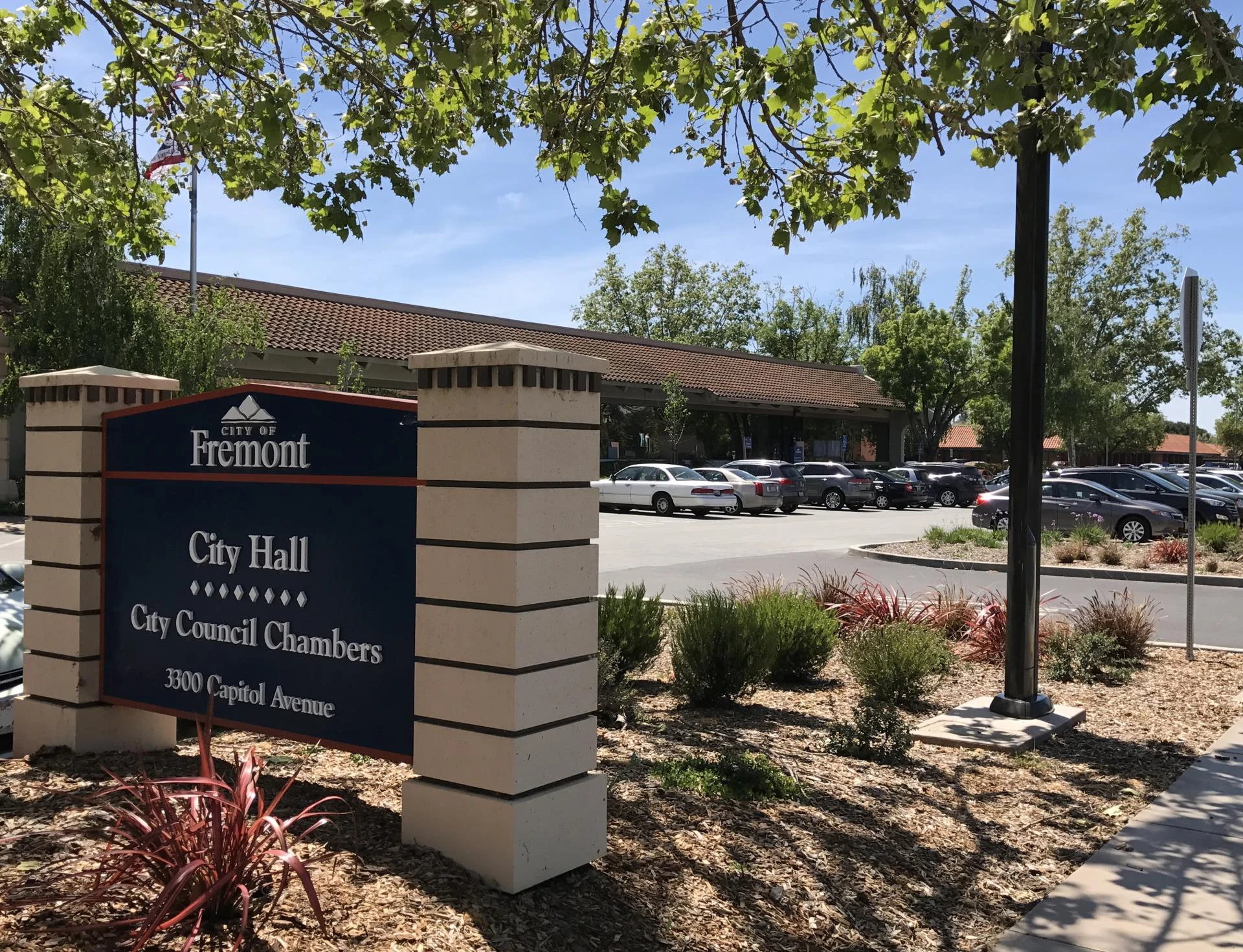
Zohran Mamdani has taken the world by storm with his recent election campaign to be the mayor of New York City. But few know what a mayor actually does—particularly on the streets of a less crowded city, like Fremont.
City hall serves as a place where people can raise awareness about local issues that matter the most to them. On the national stage, one would hear politicians talk of issues such as international policy, national debt and military operations. But here in City Council’s chambers, even the smallest issues get a platform.
At the November 4 meeting, residents spoke out against the inclusion of a cricket field to the Palm Avenue Community Park. The city is currently in the process of planning for the park’s design. A survey is currently being put out assessing park amenities. Some who feel particularly strongly have brought their concerns directly to city hall.
“We are strongly against the inclusion of the cricket field,” said Phil Leung, “We believe that the risk of injury to non participants is just too high, especially taking into account that there will be no fencing or netting.”
It is these everyday concerns that make local government feel more grounded and accessible to the average citizen. City council is the lowest level of government, the first people people can go to when they want to see change in their community.
“You may remember when this entire room was filled up with young people who came to memorialize a recent Irvington high school student who was killed crossing Blacow,” said one citizen representing Tri-City Ecology.
On more human issues like homelessness, the city has played a large role as well. In February of this year, City Council passed a resolution with a 6-1 vote to criminalize “aiding” and “abetting” homeless encampments, along with making it illegal to camp on public grounds.
This culminated in a recent move to force many homeless out of an encampment at Isherwood park. Most of the people affected were giving temporary housing, but citizens remained critical of the policy.
One citizen, Kate Amann, emphasized her gratitudes and concerns at a recent Tuesday meeting.
“I am grateful that most [of the homeless] were provided temporary housing for months,” said Amann, “Let not the bodies of the poor undocumented become fodder for the concentration camps or detention camps of the private prison industry.”
On issues of budget, the public has a voice too. When discussing the misallocation of state funds, citizen … commented angrily about the alleged mishandling of the issue years prior.
“…these problems happen quarter after quarter after quarter, and they built up to be 5 billion dollars,” said Kelly Abreu, “But you were sitting here with your head in the sand saying… we don't have access to the detailed tax filings. You did. You did. And you were lying…”
However passionate the comments from the public may be, councilmembers will not respond. To the uninformed, it may appear as if the council is not listening, but reality is quite the contrary. By the California Brown Act, are not legally allowed to respond to non-agenda items during the council meeting, and listening to the community is what many councilmembers see as their primary responsibility.
Raymond Liu is the Councilmember representing district six of Fremont, consisting of the Irvington and Central Fremont Area.
“The most important responsibility I have is listening to the residents of my district,” said Liu, “whether it be from answering Boy Scout’s interviews on Zoom to meeting groups of residents at the park.”
But listening is only half of the work. Once the comments are heard, the City of Fremont is responsible for taking action though landscape repairs, housing projects, and addressing homelessness, all while dealing with conflicting opinions and criticism from the public. Together, these responsibilities are required to make sure a city is running smoothly and meeting the expectations of those who call Fremont home.
“The importance of local government is that the local level has the most influence on a person’s average day,” said Liu, “We are tasked with making sure that the roads are paved, the street lights are working, and all other things that everyone interacts with on a daily basis. “