RFK Jr. and the CDC
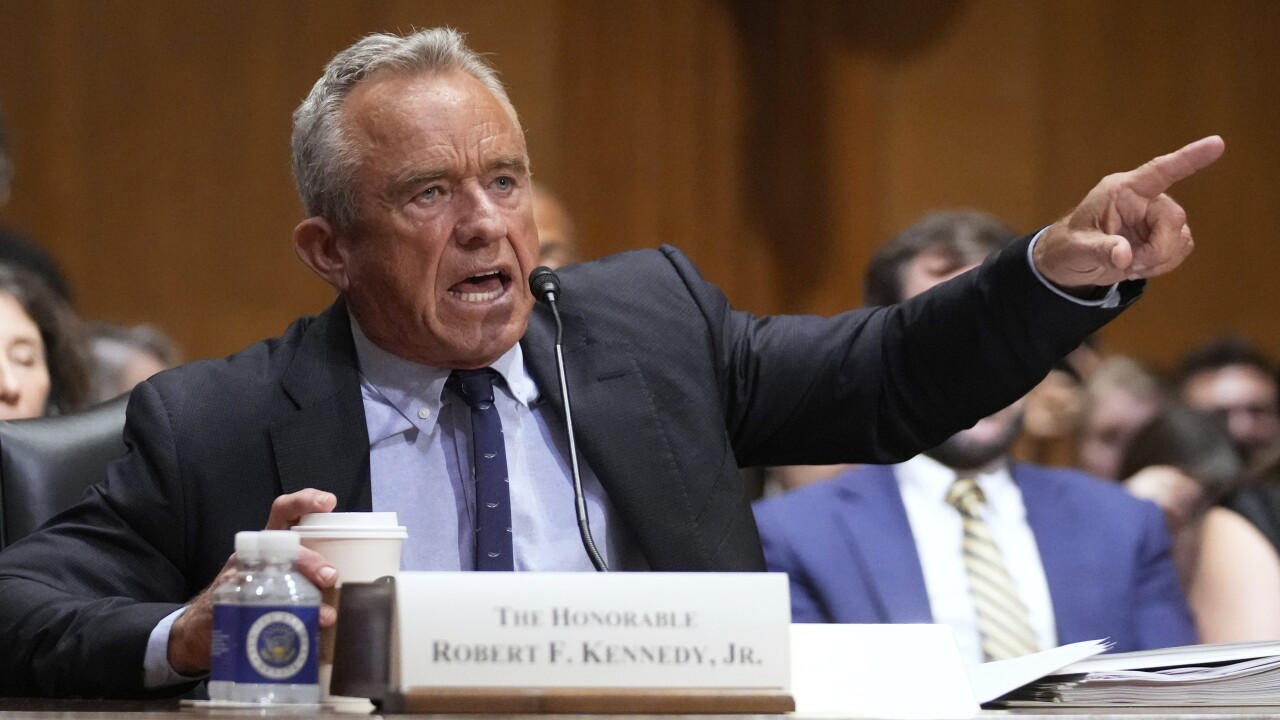
On February 13, 2025, Robert F. Kennedy Jr. was sworn in by Congress to be Trump’s Secretary of the Department of Health and Human Services in a vote of 52-48, with only one republican voting against his nomination. RFK Jr. has implemented several policies and has made radical changes to the CDC. In his seven months as CDC director, he has changed the priorities and the workers at the CDC.
One such policy that has received negative attention is the change in the COVID-19 booster recommendation. It was changed so that it’s only approved for people over 65 or those over 6 months with an underlying health condition. This could potentially mean that it would be harder for people to get the booster shot.
RFK Jr. also serves as the chairman of MAHA (Make America Healthy Again), which he founded on February 13 with the help of an executive order from President Trump. Since then, MAHA has worked to promote the health of Americans all around. On May 22, MAHA released a document titled Make Our Children Healthy Again Assessment. This document attempts to identify the reasons for chronic illness in children in our country. And on September 9th, the same day as the hearing, MAHA released a 20-page document titled the MAHA strategy. This document contains over 120 ideas, which include: air quality and its effects on children, a reevaluation of nutrition, and overall fitness. However, it did not contain much detail about the overarching strategy and how it will be put into action.
Ean Wun (10) said, “ Although most of it is in the right direction, there are some guidelines on how vaccines will be managed. Like, for example, treating vaccine-related injuries or identifying them, which could be used to paint vaccines in a bad light. But at the same time, many benefits are listed in this report. Like general accessibility for resources, stuff like that. But it's all very general.”
An unpopular decision that RFK Jr. had been criticized by senators and news outlets alike was the firing of the CDC vaccine committee on June 9th and the former CDC director, Susan Monarez, on August 27th. When she had first been chosen for the role, RFK Jr. said she was “a public health expert with unimpeachable credentials.” However, according to RFK Jr., he fired her because she had admitted to being untrustworthy. On the contrary, Susan Monarez has stated that she was fired because RFK Jr. had told her to preapprove vaccines before they underwent scientific study, to which Monarez declined. According to Susan Monarez, Kennedy then told her to resign, and when she refused, he stated that he had already discussed having her removed.
“He is so skeptical of scientifically backed vaccines, and he might fire people without much reason just because of his own emotions or what he wants to do,” said Daniel Wang (9). “I feel like he should use more rationality and logic in certain instances instead of simply relying on his emotions or what he feels is best.”
On September 9th, RFK Jr. testified before Congress, where several congresspeople voiced their growing concerns. One such person was Senator Mark Warner. During the hearing, Mark Warner aggressively pushed on one subject: vaccines and whether or not RFK Jr. lied when he said he wasn’t anti-vaccine. Mr. Kennedy dodged the question, opting instead to claim that the Biden Administration politicized the data so it could not be trusted.
However, due to California being a left-leaning state, it has remained relatively untouched by the turmoil around it. California is also creating a state CDC, an organization called the West Coast Health Alliance, which will establish its own vaccine schedules apart from the CDC and give states more independence. This could mean less reliance on the CDC for medical recommendations and less government influence.